1st Regional Roundtable on UN Peace Operations

1st Regional Roundtable on UN Peace Operations

“The First Central, Eastern Europe and the Balkans Roundtable on UN Peace Operations: Regional Perspectives on Strengthening Support and Advancing the Role of Training Centres” (hereinafter referred to as the Regional Roundtable on UN Peace Operations) took place at Jable Castle on 9 June.  

This international intergovernmental event focused on the future of regional engagement in United Nations peace operations. It was organised by the Ministry of Defence of the Republic of Slovenia and the Peace Operations Training Centre (POTC), in cooperation with the Light Coordination Mechanism (LCM) in the Integrated Training Service (ITS) of the UN Department of Peace Operations (DPO).   

With this event, Slovenia initiated a regional process, expanded in a “regional-plus” format, aimed at fostering regional cooperation in peace operations, developing the role of training centres, and strengthening cooperation with the UN and partner institutions. The event brought together representatives of participating regional Member States, observer Member States with speaking roles, the United Nations, partner institutions, and academia with the aim of strengthening regional cooperation, improving operational preparedness, and developing capabilities and training, including the evolving role of peacekeeping training centres. Peace operations are a key tool for conflict prevention, civilian protection, and post-conflict stabilisation.  

As the first meeting of its kind in the region, the event also followed the 2025 UN Peacekeeping Ministerial in Berlin and recent mission developments, including  the upcoming closure of the UN Interim Force in Lebanon (UNIFIL) at the end of 2026, the event provided a timely platform to reflect on future priorities and lessons learned. Peace operations remain one of the most important tools of the international community for conflict prevention, the protection of civilians, and post-conflict stabilisation, but require continuous adaptation. They involve military, police, and civilian units that monitor ceasefires, protect civilians, and assist in rebuilding institutions and the rule of law. They reduce violence, prevent the spillover of conflicts, and create the necessary conditions for long-term peace and development.   

To ensure the successful and effective implementation of peace operations, countries must provide sufficient personnel, material, and financial resources, which remains an ever-present challenge in planning and executing these operations. Despite the current focus of many European nations on the war in Ukraine and their commitments within NATO, alongside Slovenia’s active participation in EU CSDP missions and operations, maintaining readiness and participating in United Nations peace operations remain a vital dimension of Slovenia’s approach to international security cooperation and multilateral crisis management.  

Countries in the region, including Slovenia, regularly face considerations regarding which UN missions to participate in, in what manner, with which units, and what or how much to contribute.  During its mandate as a non-permanent member of the UN Security Council (2024–2025), Slovenia actively contributed to discussions on the future of peace operations.  

Regional cooperation and the key role of training centres 

As emphasised by mag. Aljoša Selan, Acting Director General of the Defence Policy Directorate at the Ministry of Defence of the Republic of Slovenia, future peacekeepers will require competencies that extend beyond traditional military skills. They will need to operate in complex information environments, understand emerging technologies, support the protection of civilians, engage with local populations, and contribute to integrated approaches involving military, police, and civilian actors. Training institutions, such as the Slovenian POTC, which was co-established, and is co-funded, and co-managed by the Ministry of Defence, the Ministry of Foreign and European Affairs, and the Ministry of Interior of Slovenia, and operates within the Center for European Perspective, therefore play a particularly important role in ensuring that personnel remain prepared for future operational requirements. 

Strengthening training, education, and professional networks is the primary answer to maintaining readiness, expertise, and influence during a period when traditional operational opportunities are becoming less frequent.  Furthermore, the Slovenian representative, Mr Selan, stressed that Slovenia does not see regional cooperation as an option, but as a necessity. It should develop along three main lines: first, closer links between peace operations training centres; second, joint training activities, exercises, and personnel exchanges; and third, a more coordinated regional approach within the United Nations system.   

The Head of POTC, Samo Selimović, added that when connecting these centres, this refers to highly concrete forms of interstate cooperation. This includes trainer exchanges, opening training courses to personnel from other nations, and the collaboration of centres in preserving and transferring skills, knowledge, and practical experience from complex missions, such as UNIFIL. 

Overall, the roundtable participants agreed that regional cooperation should primarily focus on fostering information sharing and lessons learned (e.g. from MINUSMA and UNIFIL), while also building partnerships on peacekeeping training, capacity building, and co-deployments. They emphasized that UN peacekeeping must be adaptable, shifting toward flexible, scalable models that rely on interoperability and preparedness. They also highlighted the importance of realistic mandates, noting that overbroad or unfunded “Christmas tree mandates” present a serious issue. At the same time, they concluded that investment in training is one of the most cost-effective forms of support to UN peace operations, as maintaining readiness today is less costly than rebuilding capabilities tomorrow.  


Regionalna okrogla miza o mirovnih operacijah Združenih narodov (ZN)

Regionalna okrogla miza o mirovnih operacijah Združenih narodov (ZN)

Regionalna okrogla miza o mirovnih operacijah Združenih narodov (9. junij 2026)

Click here to read this article in English.

Včeraj, 9. junija, je na Gradu Jable potekala „Prva okrogla miza držav Srednje in Vzhodne Evrope ter Balkana o mirovnih operacijah Združenih narodov“ (v nadaljevanju: Regionalna okrogla miza o mirovnih operacijah Združenih narodov). Dogodek je mednarodno srečanje, osredotočeno na prihodnost sodelovanja držav v mirovnih operacijah Združenih narodov, ki sta ga organizirata Ministrstvo za obrambo Republike Slovenije in Center za izobraževanje in usposabljanje za sodelovanje v mirovnih operacijah in misijah (POTC) v sodelovanju s koordinacijskim mehanizmom LCM.

S tem dogodkom je bila Slovenija začetnica regionalnega procesa katerega namen je spodbuditi regionalno sodelovanje v mirovnih operacijah, razvijati vlogo centrov za usposabljanje ter krepiti sodelovanje z OZN in partnerskimi institucijami. Dogodek je združil predstavnike regionalnih držav, mednarodnih organizacij in izobraževalnih institucij z namenom krepitve regionalnega sodelovanja, izboljšanja operativne pripravljenosti ter razvoja zmogljivosti in usposabljanj, vključno z razvijajočo se vlogo centrov za usposabljanje za mirovne operacije.

Mirovne operacije so ključno orodje za preprečevanje konfliktov, zaščito civilistov in stabilizacijo po krizah

Kot prvo srečanje v regiji po ministrskem srečanju držav članic OZN o ohranjanju miru v Berlinu leta 2025 in ob nedavnih spremembah v misijah, kot je mirovna misija ZN na jugu Libanona (UNIFIL), je bil dogodek priložnost za razmislek o prihodnjih usmeritvah in pridobljenih izkušnjah. Mirovne operacije ostajajo ključno orodje za preprečevanje konfliktov, zaščito civilistov in stabilizacijo po krizah, vendar zahtevajo stalno prilagajanje. Vključujejo vojaške, policijske in civilne enote, ki nadzorujejo premirja, varujejo civiliste ter pomagajo pri obnovi institucij in pravne države. Zmanjšujejo nasilje, preprečujejo širitev konfliktov in ustvarjajo pogoje za dolgoročni mir in razvoj.

Za uspešno in učinkovito izvajanje mirovnih operacij morajo države zagotoviti zadostna kadrovska, materialna in finančna sredstva, kar je vedno prisotna težava pri načrtovanju in izvajanju teh operacij. Kljub trenutni osredotočenosti številnih evropskih držav na vojno v Ukrajini in na zaveze v okviru Nata ter aktivnemu sodelovanju Slovenije v misijah in operacijah SVOP EU, ohranjanje pripravljenosti in sodelovanje v mirovnih operacijah Združenih narodov ostajata pomembna dimenzija mednarodnega varnostnega sodelovanja in multilateralnega kriznega upravljanja.

Države iz regije, vključno s Slovenijo, se redno soočajo z razmisleki, v katerih misijah OZN sodelovati, na kakšen način, s katerimi enotami ter kaj in koliko prispevati. V času mandata v Varnostnem svetu OZN (2024–2025) je Slovenija dejavno prispevala k razpravam o prihodnosti mirovnih operacij. Na podlagi tega sodelovanja Ministrstvo za obrambo RS v sodelovanju s POTC organiziralo okroglo mizo v razširjenem „regionalnem-plus“ formatu, ki je vključevala države iz regije, pomembne partnerje ter relevantna telesa OZN.

Regionalno sodelovanje in ključna vloga centrov za usposabljanje

Kot je poudaril mag. Aljoša Selan, vršilec dolžnosti generalnega direktorja Direktorata za obrambno politiko na Ministrstvu za obrambo RS, bodo bodoči mirovniki potrebovali kompetence, ki presegajo tradicionalne vojaške veščine. Delovati bodo morali v kompleksnih informacijskih okoljih, razumeti sodobne tehnologije, podpirati zaščito civilnega prebivalstva, sodelovati z lokalnim prebivalstvom ter prispevati k celostnim pristopom, ki vključujejo vojaške, policijske in civilne akterje.

Centri za usposabljanje, kot je slovenski POTC, ki so ga soustanovili Ministrstvo za obrambo, Ministrstvo za zunanje in evropske zadeve ter Ministrstvo za notranje zadeve in deluje v okviru Centra za evropsko prihodnost, imajo zato še posebej pomembno vlogo pri zagotavljanju, da kadri ostanejo pripravljeni na prihodnje operativne zahteve. Krepitev usposabljanja, izobraževanja in profesionalnih mrež je glavni odgovor na ohranjanje pripravljenosti, strokovnosti in vpliva v obdobju, ko so tradicionalne operativne priložnosti vse redkejše.

Nadalje je slovenski predstavnik Selan poudaril, da Slovenija regionalnega sodelovanja ne vidi kot možnosti, temveč kot nujnost. Razvijati bi se moralo v treh glavnih smereh: prva so tesnejše povezave med centri za usposabljanje za mirovne operacije, druga so skupne aktivnosti usposabljanja, vaje in izmenjave osebja, tretja pa bolj usklajen regionalni pristop znotraj sistema Združenih narodov.

Vodja POTC Samo Selimović je dodal, da pri povezovanju centrov govorijo o zelo konkretnih oblikah sodelovanja med državami, kot so izmenjave inštruktorjev za usposabljanja, odpiranje usposabljanj za pripadnike drugih držav in pa sodelovanju centrov pri ohranjanju in prenosu veščin, znanja in izkušenj iz kompleksnih misij, kot je npr. UNIFIL.

Udeleženci okrogle mize so se strinjali, da regionalno sodelovanje pomeni predvsem spodbujanje izmenjave informacij in pridobljenih izkušenj (npr. iz misij MINUSMA in UNIFIL), ob sočasnem oblikovanju partnerstev na področju usposabljanja za mirovne operacije, krepitve zmogljivosti ter skupnih napotitev. Poudarili so, da morajo biti mirovne operacije Združenih narodov prilagodljive, kar zahteva prehod na fleksibilne modele, ki temeljijo na interoperabilnosti in pripravljenosti. Izpostavili so tudi pomen realističnih mandatov, saj so preširoki ali nefinancirani mandati, tako imenovani »mandati božičnih drevesc«, težavni. Ob tem so sklenili, da je vlaganje v usposabljanje ena stroškovno najbolj učinkovitih oblik podpore mirovnim operacijam ZN, saj je ohranjanje pripravljenosti danes bistveno cenejše od vzpostavljanja zmogljivosti jutri.

Za več informacij o usposabljanju in še več nas lahko spremljate na družbenih omrežjih:

LinkedIn • X • Facebook • Bluesky


Third Personal Security Training for Diplomatic Personnel Successfully Concluded

Third Personal Security Training for Diplomatic Personnel Successfully Concluded

Click here to read about the Personal Security Training in English.

Zaključeno tretje Varnostno usposabljanje za diplomatsko osebje.

POTC je v sodelovanju z Oddelkom za varnostno načrtovanje v Službi za varnost, nepremičnine in logistiko Ministrstva za zunanje in evropske zadeve 3. junija 2026 na gradu Jable uspešno izvedel Varnostno usposabljanje za diplomatsko osebje, ki se ga je udeležilo 55 oseb.

Usposabljanje je bilo namenjeno diplomatom Republike Slovenije, ki odhajajo na delo v države z nizko stopnjo varnostnega tveganja in še nimajo predhodnega znanja s področja osebne varnosti. Udeleženci so se seznanili z varnostnimi in zdravstvenimi pripravami na odhod, varnostjo diplomatsko-konzularnih predstavništev, ocenjevanjem varnostnih tveganj ter ravnanjem v spremenjenih varnostnih razmerah, vključno z relokacijo in evakuacijo.

Program je zajemal tudi teme varne uporabe javnega in zasebnega transporta, izbire varnega bivališča, skrbi za varnost družine ter ukrepanja v primerih AMOK dogodkov, nemirov, terorističnih napadov in kriminala. Poseben poudarek je bil namenjen prepoznavanju varnostnih tveganj, ustreznemu ukrepanju in poročanju o zaznanih grožnjah.

Usposabljanja ne bi bilo mogoče izvesti brez podpore Ministrstva za notranje zadeve ter policijskih predavateljev, ki so s svojim strokovnim znanjem pomembno prispevali k izvedbi programa.

S pridobljenim znanjem bodo udeleženci bolje pripravljeni na varno in odgovorno delovanje v diplomatskem okolju doma in v tujini.

Za več informacij o usposabljanju in še več nas lahko spremljate na družbenih omrežjih:

LinkedIn • X • Facebook • Bluesky


Second Edition of the Hostile Environment Awareness Training 2026 – Call for Applications

Second Edition of the Hostile Environment Awareness Training 2026 – Call for Applications

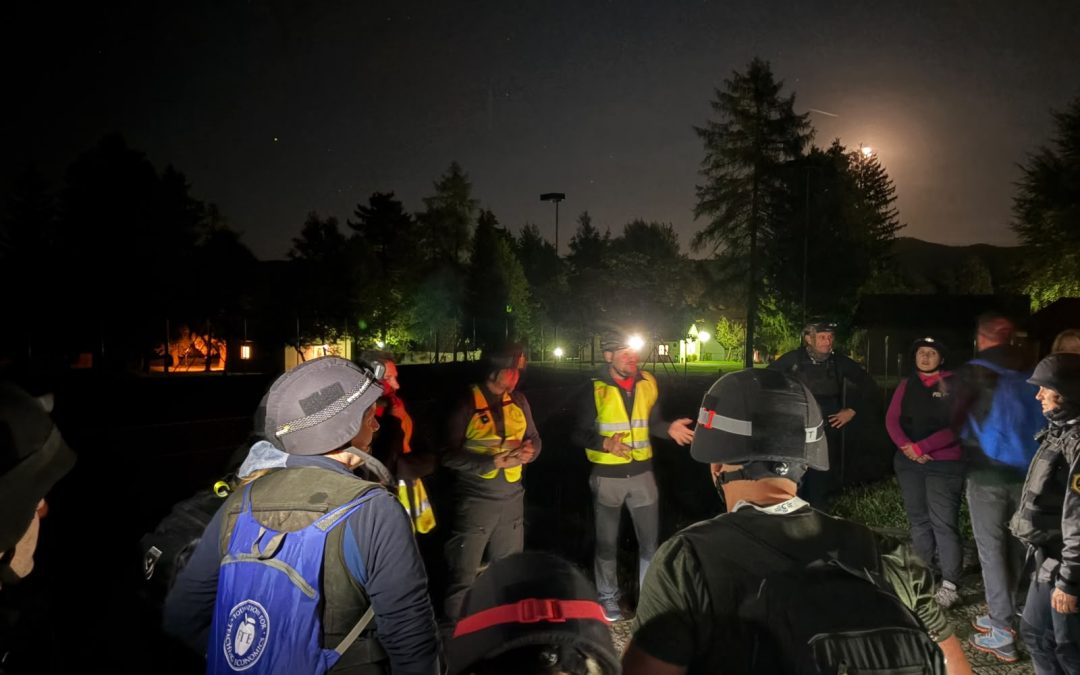
The Peace Operations Training Centre (POTC) of Slovenia and the European Security and Defence College (ESDC) are co-organising the “Hostile Environment Awareness Training (HEAT)” training activity. The training will take place at the Gotenica Police Training Centre in Slovenia from Sunday, 27  September to Friday, 2 October 2026. Deadline: 10 August

Kliknite tukaj za branje članka v slovenskem jeziku.

This training activity contributes to security and situational awareness, reinforces a safety and security awareness mindset, and develops confidence in hostile situations. In addition, the training provides guidance on individual and team behaviour to help deter, detect and react during and after threatening events, thus increasing the overall personal safety and security of the training participants while serving in hostile environments.

Up to 20 professionals with different backgrounds, working or aiming to work with national or international (non-)governmental organisations, academic or private sector, are eligible to apply for participation in the training.

The participants will join an experienced group of Slovenian and foreign trainers for a five-day intensive course in southwestern Slovenia. The training is designed to:

  • improve participants’ knowledge about multiple threats present in hostile field environments and learn how to deal with them in an effective manner,
  • rehearse and practice safety and security procedures according to specific threats,
  • develop skills and behaviours to deal with different stressful situations.

Activities of the Hostile Environment Awareness Training include e-learning prior to the in-person training, lectures, guided discussions, role-playing, simulations, and a complex field training exercise. Trainees will address deployment in hostile environments (threat awareness, management of various threats, etc.), medical care, orientation, communications, mobility, etc.

Applications must be submitted via the ESDC’s secure online system, ENLIST, by designated nominators at https://esdc.europa.eu/enlist/loginTo apply, a national nominator must first add you to the system, so please contact your nominator as the first step. A list of ENLIST nominators is available on the ESDC website at https://www.esdc.europa.eu/training-and-education/list-nominators_en.

The deadline for submitting the application is 10 August 2026. The selection of participants is done by POTC and ESDC after the deadline, and both selected and unselected applicants will be notified.

You can find all the information regarding the registration process and the training delivery here.

Follow us on social media for more POTC news and content:

LinkedIn • X • Facebook • Bluesky


Humanoid Robots in the Armed Forces – Science Fiction or the Near Future?

Humanoid Robots in the Armed Forces – Science Fiction or the Near Future?

The fifth seminar on Disruptive Military Technologies and Practices was held at Jable Castle on May 26th. This year, the focus was on humanoid robots in the armed forces.

Klikni tukaj za branje članka v slovenščini 

The seminar on the use of humanoid robots in the armed forces provided insight into the current state of development of such systems worldwide and explored their possible roles in the armed forces of the future. 

The rapid development of humanoid robots, a specific segment of autonomous systems, poses new challenges to society at large and, consequently, to armed forces worldwide. As part of the seminar, experts presented the current state of humanoid robot development, highlighted the reasons for their potential use in military environments, addressed the technical challenges of their development, and touched on the ethical and legal issues related to their future use. 

The seminar, which was organised in close cooperation with the Department of Military Technology, Research and Development of the Ministry of Defence, was attended by representatives of the Ministry of Defence and the Slovenian Armed Forces.

For more information about the training and more about our work, you can follow us on social media:

LinkedInXFacebookBluesky


CALL FOR APPLICATIONS OPEN: Law, Policy and Science in Environmental Peacebuilding Training: 12-16 October 2026

CALL FOR APPLICATIONS OPEN: Law, Policy and Science in Environmental Peacebuilding Training: 12-16 October 2026

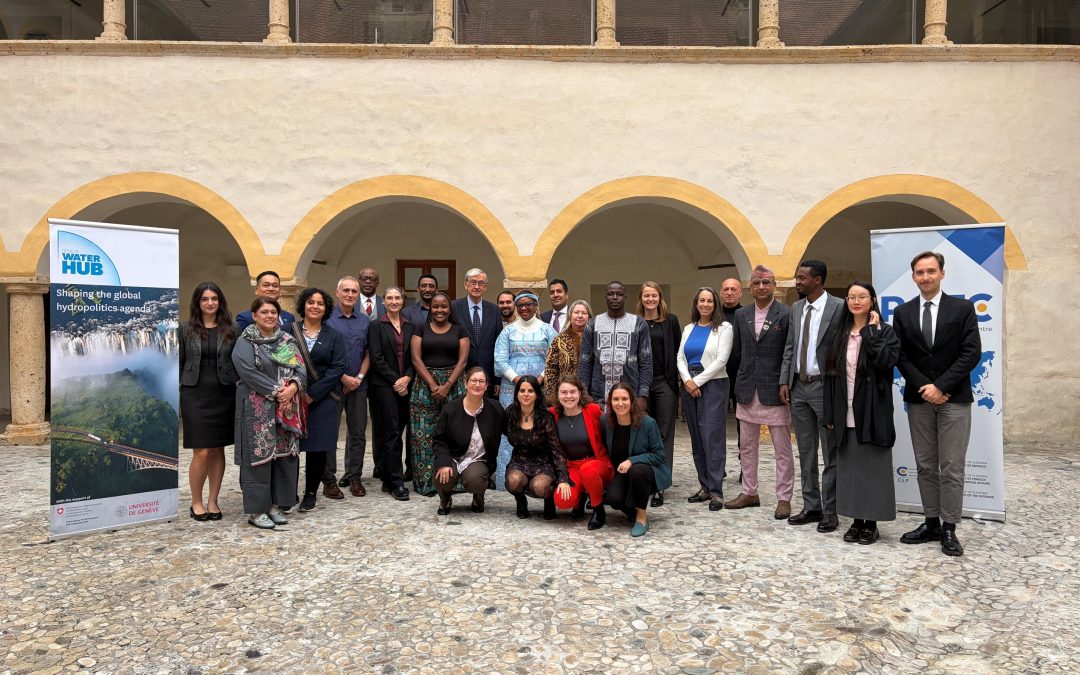
The Geneva Water Hub (GWH) and the Peace Operations Training Centre (POTC) would like to invite you to Ljubljana, Slovenia, from October 12 to 16, 2026, for a transformative training activity on “Law, Policy and Science in Environmental Peacebuilding”.

Kliknite tukaj za branje članka v slovenščini.

We are pleased to announce that the 2026 edition of the highly sought-after training programme is returning to Slovenia. This training programme offers an in-depth exploration of how natural resources influence conflict dynamics and peace processes, covering essential legal frameworks, emerging challenges, and strategic solutions.

Background

This 2026 edition builds upon the success of the inaugural training delivered two years ago. The programme continues to align with Slovenia’s priorities within the United Nations, where the country has championed the critical link between environmental stability and global security. By strengthening capacity in environmental peacebuilding, this joint initiative empowers stakeholders to navigate the complexities of environmental challenges in fragile contexts, ultimately contributing to sustainable, long-term peace.

Participant Profile

This training is specifically designed for professionals working in:

  • military and law enforcement,
  • diplomacy and government,
  • NGOs and international organisations,
  • humanitarian and development sectors.

Programme Benefits

Participation in this training programme will provide you with:

  • Theoretical and Legal Foundations: Explore the critical intersection of environmental issues, armed conflict, and peacebuilding efforts through a rigorous academic and legal lens.
  • Interactive Learning: Engage in a dynamic curriculum consisting of expert-led lectures, interactive panel discussions, and collaborative group activities designed to build both substantive knowledge and practical skills.
  • Networking and Professional Certification: Gain exclusive access to the Geneva Water Hub alumni network and receive a professional certificate upon successful completion of the programme.

The training programme has a tuition fee, but full and partial scholarships are available. More details can be found in the brochure and at the following link: Geneva Water Hub

Application Deadline: May 30, 2026. Apply online to secure your spot here.

The training brochure is available here.

For more information, please contact Dimitrij Pahor at: [email protected]

For more information about the training and more about our work, you can follow us on social media:

LinkedInXFacebookBluesky