Youth Shaping the Danube Region: Reflections from Our Interactive Workshop at the 14th EUSDR Annual Forum

Youth Shaping the Danube Region: Reflections from Our Interactive Workshop at the 14th EUSDR Annual Forum

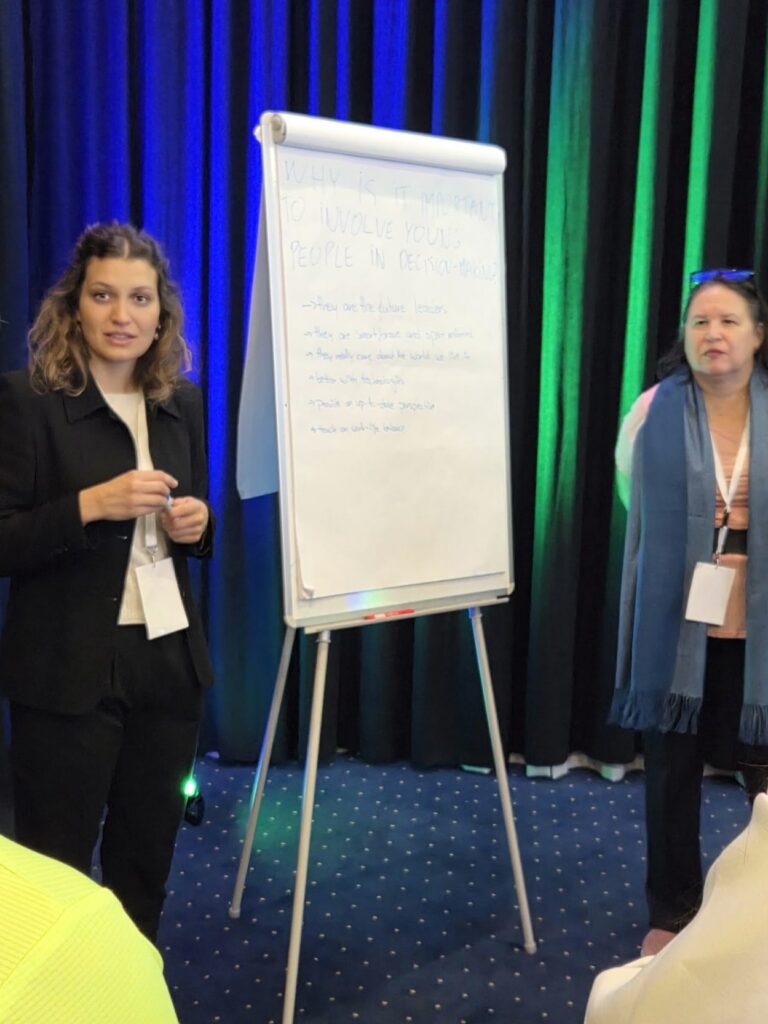
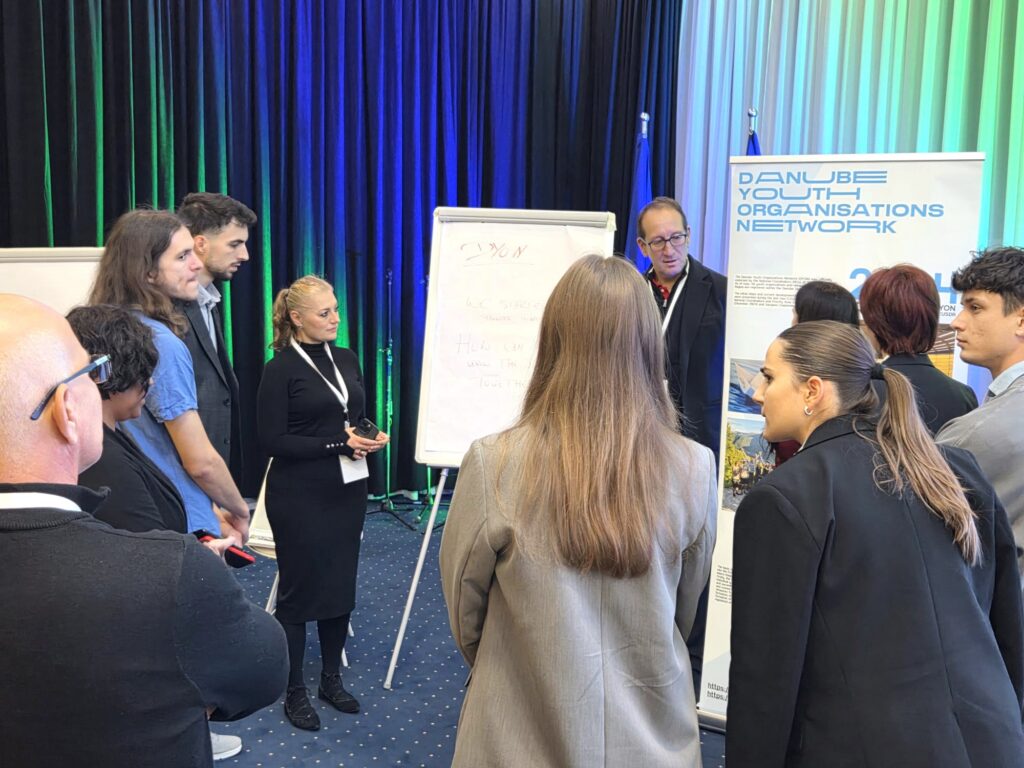
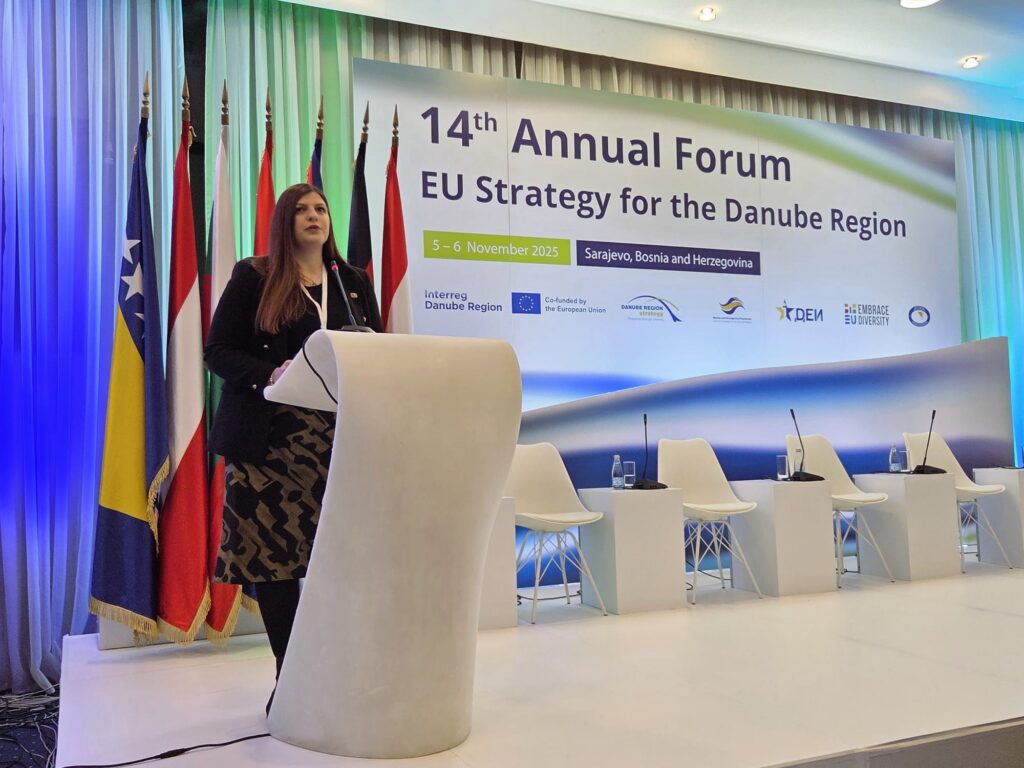
Young people across the Danube Region are stepping forward with ideas, motivation, and a strong desire to shape the future. This spirit was at the heart of our interactive workshop Youth Engagement and Active Citizenship in the Danube Region, held on 6 November 2025 during the 14th EUSDR Annual Forum in Sarajevo. Bringing together representatives of the Danube Youth Council, the Danube Youth Organizations Network, and the Enter:Change initiative, the workshop created a vibrant space for honest dialogue, shared experiences, and forward-looking proposals. Designed as a World Café, the session encouraged participants to rotate among discussion tables, exchange perspectives, and collectively explore how youth can play a meaningful role in democratic governance and regional cooperation.  

Youth as Contributors Today — Not Only Tomorrow

 
A strong message echoed throughout the room: young people are not passive observers. They are already contributing to shaping the Danube Region, and they want to be recognised as equal partners in decision-making. Participants highlighted why their involvement matters: they bring creativity, technological confidence, a long-term outlook, and the courage to challenge old patterns. They are open-minded, results-oriented, and motivated by a genuine sense of responsibility for the world around them. For many, meaningful participation is closely tied to trust in institutions and a belief that their voices can lead to real impact.  

Building Stronger Youth Networks Across the Region

 
Representatives from the Danube Youth Organizations Network reflected on the growth of youth-led initiatives and the importance of building stronger, more sustainable networks. They emphasised the value of improved visibility, alumni engagement, and new links between young people, local authorities, NGOs, and communities along the Danube. Better fundraising opportunities and shared purpose were also identified as essential elements for the network’s future development. The discussion reaffirmed the need for transnational cooperation — not only to connect young people, but also to create lasting partnerships and shared solutions to common challenges.  

A New Generation of Leaders in Bosnia and Herzegovina

The Enter:Change initiative shared insights from its work with young leaders in Bosnia and Herzegovina, focusing on leadership skills, democratic participation, anti-corruption, interethnic dialogue, and resilience to disinformation. Their central question — whether young leaders can pave a more cooperative political path — sparked reflections on the need for cultural change, institutional openness, and long-term support. Participants stressed that progress requires more accessible EU funding for emerging youth initiatives, stronger support for civil society, and wider opportunities that convince talented young people to remain engaged in their home communities rather than seeking prospects elsewhere.  

Key Takeaways: What Young People Need to Thrive

Across all discussions, several common themes emerged:
  • Meaningful involvement: Youth want more than symbolic participation; they want structured, long-term channels to influence decision-making.
  • Capacity-building: Leadership training, critical thinking, communication skills, and digital literacy are essential tools for empowered citizenship.
  • Cross-border cooperation: Mobility, exchange, and shared learning strengthen connections and help address regional challenges together.
  • Supportive ecosystems: Youth-led initiatives need sustained funding, mentorship, and visibility — not isolated, short-term projects.
The workshop’s outcomes reflect the priorities and aspirations of young people across the Danube Region  

Looking Ahead

The enthusiasm and maturity demonstrated by the workshop participants confirmed once again that youth are ready to contribute — not only to the future, but to the present of the Danube Region. Their perspectives are essential for building trust, strengthening governance, and enhancing cooperation across borders. As Priority Area 10, we remain committed to supporting youth engagement, creating opportunities for dialogue, and working together with our partners to ensure that young people continue to shape the direction of the Danube Region. More about Priority Area 10
Invitation – Conference “Towards Knowledge-driven Society and Professions of the Future”

Invitation – Conference “Towards Knowledge-driven Society and Professions of the Future”

The green and digital transition has profoundly affected societies worldwide, moving them towards an ever-changing environment. The digital revolution and the move towards green transition have opened up new opportunities for individuals, organisations and countries, heavily impacting the labour market and transforming societies in the Danube region and broader.

But just what will be the role of knowledge in these societies of the future, how will the changes affect the cooperation in the Danube region, and how can our societies adapt?

The Ministry of Higher Education, Science and Innovation of the Republic of Slovenia is organising a two-day hybrid international conference titled “Towards Knowledge-driven Society and Professions of the Future”, which will take place at the Congress Centre Brdo at Brdo pri Kranju, Slovenia, on 17 and 18 May 2023.

This event, held within the scope of the Slovenian Presidency of the EU Strategy for the Danube region (EUSDR) and organised with the support of the Priority Area 7 of the EUSDR, will bring together experts, educational institutions, youth and policymakers from across Europe to explore the role of knowledge in society in our rapidly changing world.

The conference will focus on the expected transformation of the knowledge-driven society, the implications for the current and future needs of the labour market, and the effect of digital transformation. It will provide a platform for sharing ideas and experiences and identifying emerging trends while engaging strategic foresight perspectives. The event will also aim to foster international collaboration and policy synergies and significantly contribute to the 2023 Slovenian Presidency of the EUSDR.

The event is planned in a hybrid format, with some 100 participants attending in person and a broad audience of registered online participants.

You can register here until 12 May.


More information about the event can be found on the EUSDR website: https://danube-region.eu/danube-events/conference-on-knowledge-driven-society/.