2. 3. 2026 | POTC, PR
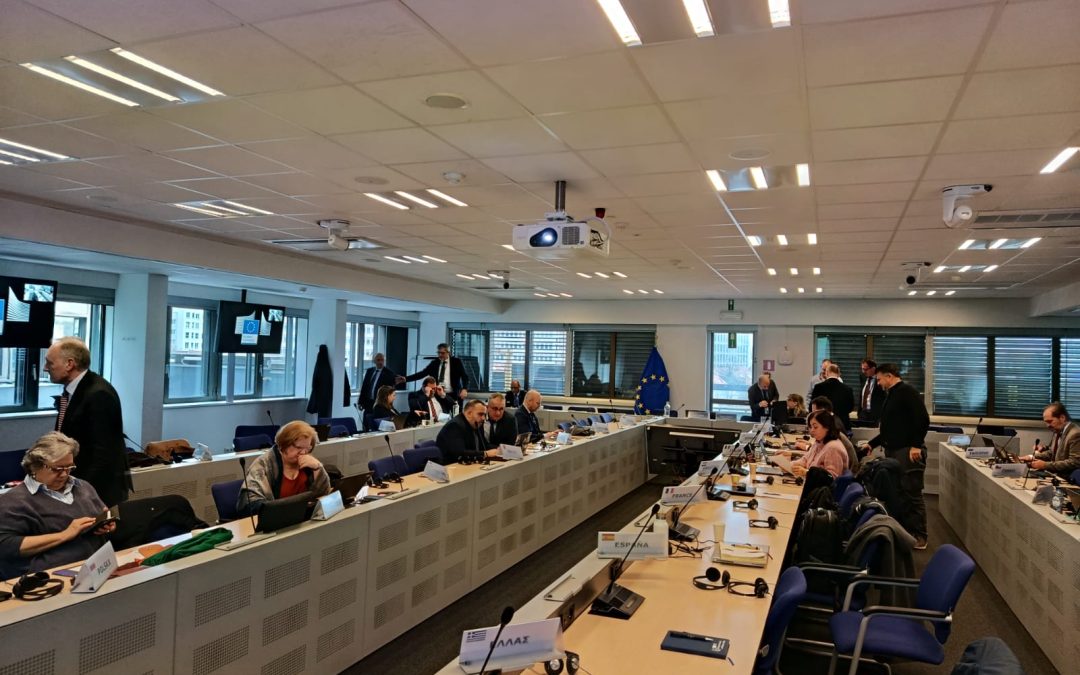
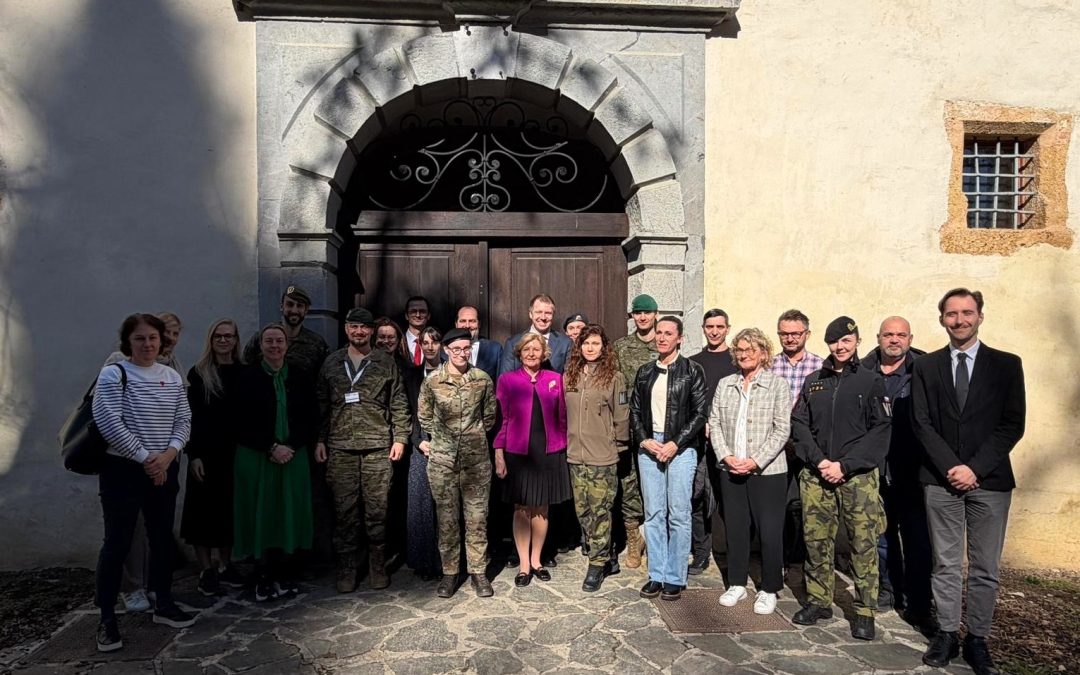
POTC’s gender mainstreaming 5-day training programme was successfully delivered. The training took place at Jable Castle in Slovenia. A total of 19 participants took part, and 8 lecturers/trainers delivered the training programme. The training was delivered in cooperation with the European Security and Defence College (ESDC).
Kliknite tukaj za branje članka v slovenskem jeziku.
The programme was tailored for up to 20 civilian experts, police officers, and military personnel, either currently deployed or preparing for deployment to international missions. It was also open to individuals from third countries who are involved in, or plan to join, CSDP, NATO, OSCE, or UN missions, or who are assigned to roles in fragile states.
The training aimed to boost the operational effectiveness by equipping participants with the knowledge and skills needed to integrate a gender perspective into CSDP and international missions and operations. The aim of the training was achieved through our expert speakers/trainers from Slovenia, the Netherlands, Finland, and Kenya.
The certificates were handed to the participants by Ambassador Darja Bavdaž Kuret, Slovenian Ambassador-at-Large for Women, Peace and Security.
POTC would like to thank everyone who helped realise the training: the speakers, participants, and institutional partners, especially the European Security and Defence College and the International Peace Support Training Centre (IPSTC) of Kenya.
Follow us on social media for more POTC news and content:
LinkedIn • X • Facebook • Bluesky


16. 2. 2026 | POTC, PR
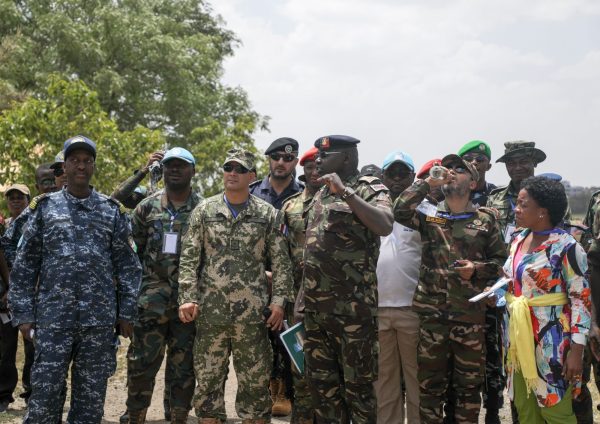
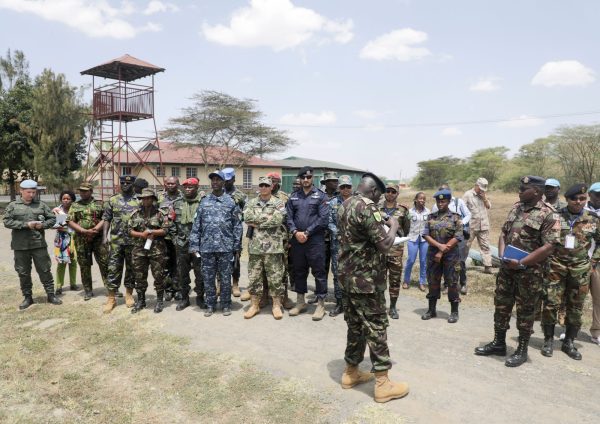
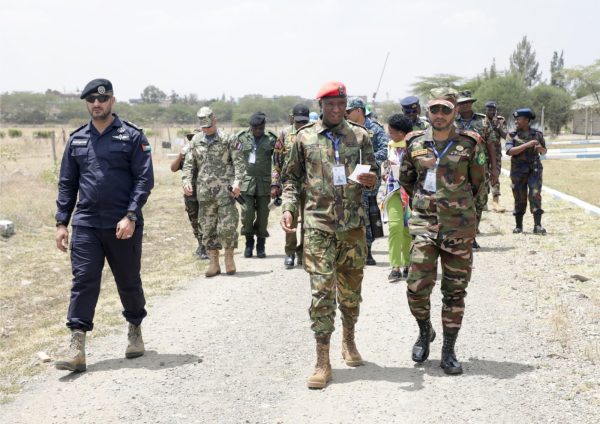
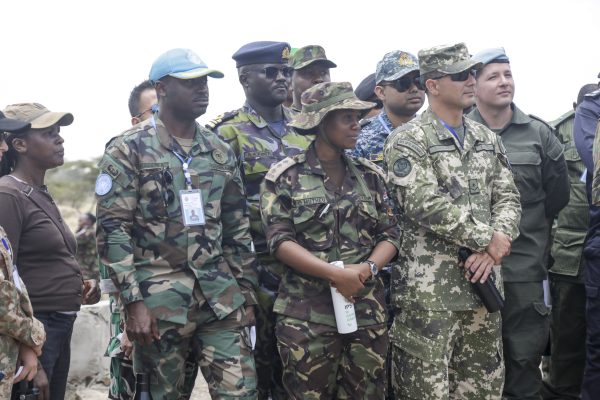
The 10-day Comprehensive Protection of Civilians Course (CPOC) held in Nairobi, Kenya, has concluded.
Kliknite tukaj za branje članka v slovenskem jeziku.
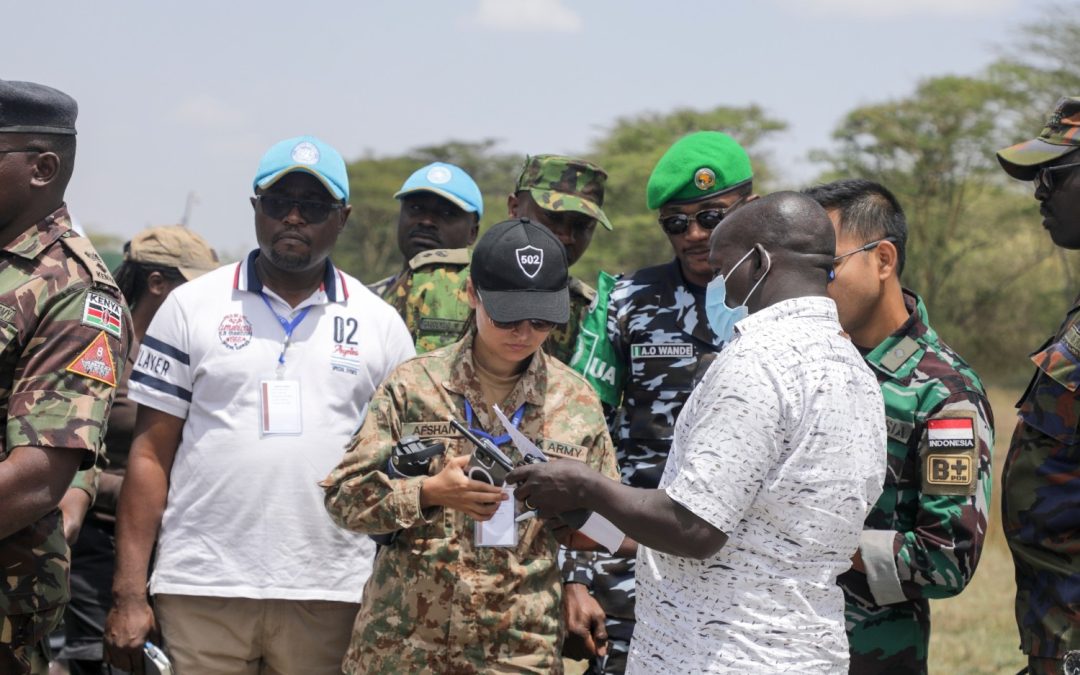
The training was the result of a collaboration between POTC, the International Peace Support Training Centre (IPSTC), and the British Peace Support Team – Africa (BPST – A). From Monday, 02 to Friday, 13 February 2026, a large group of participants was submerged into the world of protection of civilians, with the main aim being to equip participants with relevant knowledge and skills to effectively assess, plan, and implement Protection of Civilians (POC) activities in United Nations (UN) and African Union (AU) peace operations.
The training activity culminated in a full-day scenario-based exercise (SBE) that tested participants’ newly acquired knowledge and skills. You can see some pictures from the SBE below.
POTC would like to congratulate the participants on their participation and their certificates. A big thank you to the professional team at the IPSTC and to the colleagues at BPST-A for making this training a success.
Follow us on social media for more POTC news and content:
LinkedIn • X • Facebook • Bluesky

13. 2. 2026 | Peace and security, POTC, PR
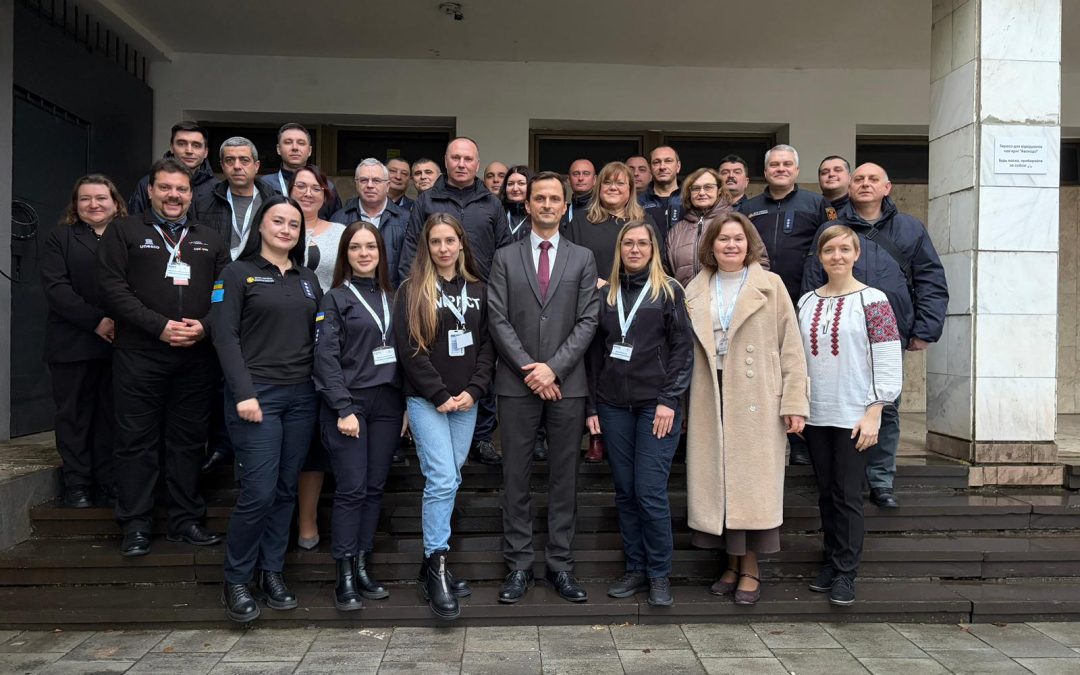
Usposabljanje z naslovom »Podnebne spremembe in obvladovanje tveganj nesreč« je bilo namenjeno pripadnikom ukrajinske civilne zaščite in strokovnjakom s področja preventive ter pripravljenosti na naravne nesreče.
Click here to read this article in English.
Čeprav je v vojnem času obseg nalog ukrajinske civilne zaščite razširjen na pomoč prebivalstvu, ostaja usposabljanje ključnega pomena tudi v takšnih razmerah, saj vojna dodatno povečuje zahtevnost odzivanja na naravne nesreče in njihove posledice. Usposabljanje hkrati predstavlja pomemben instrument za usklajevanje ukrajinskih sistemov odzivanja z mehanizmi za krizno odzivanje EU.
Izvedba programa je eden od mnogih konkretnih izkazov bilateralne pomoči, ki jo Slovenija nudi Ukrajini. Dejstvo, da se je aktivnost odvila na ukrajinskih tleh, pa je dodaten izraz solidarnosti Slovenije z Ukrajino.
Pripadnike ukrajinske civilne zaščite smo usposobili na področju:
👉 razumevanja kompleksnih podnebno pogojenih nesreč in celostnih pristopov k večji pripravljenosti, v skladu s Sendajskim okvirom,
👉 mehanizmov zbiranja podatkov, kartiranja, napovedovanja in zgodnjega opozarjanja,
👉 evropskih mehanizmov kriznega upravljanja ter pripravljenosti in odzivanja na naravne in druge nesreče,
👉 mehanizmov za zaščito civilnega prebivalstva,
👉ocenjevanja tveganj v kompleksnih okoljih z več viri tveganj, vključno z aktualno vojno.
Ključni cilj usposabljanja je bil krepitev kapacitet ukrajinske civilne zaščite, da se na nesreče vnaprej pripravi, se nanje učinkovito odzove ter nato hitreje okreva.
Usposabljanje je potekalo v dveh terminih – prvi med 9. in 11. februarjem ter drugi med 12. in 14. februarjem.
Za več informacij o usposabljanju in še več nas lahko spremljate na družbenih omrežjih:
LinkedIn • X • Facebook • Bluesky
13. 2. 2026 | Enter: Change, PR
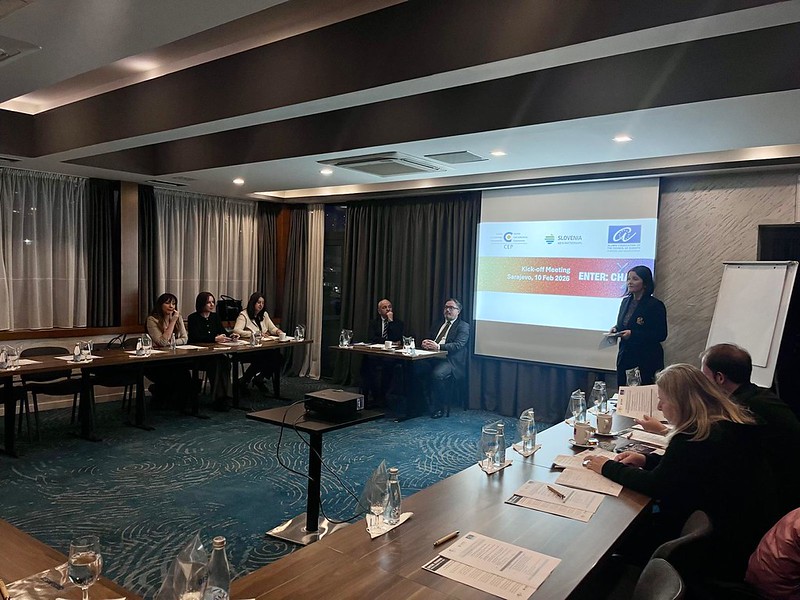
From 9 to 11 February 2026, the Kick-Off Meeting of the project “ENTER: CHANGE – Establishing a Network and Capacity Building for Young Future Leaders in the Western Balkans – Phase 2 (2026–2028)” took place in Sarajevo, Bosnia and Herzegovina. The meeting officially launched the second phase of the project, aimed at strengthening regional cooperation, fostering the development of emerging leaders, and expanding a network of talented young professionals across the Western Balkans.
During the visit, we met with our partner in the project, School of Political Studies BiH, and held a dedicated event with alumni from both SPS BiH and Phase 1 of ENTER: CHANGE.
During the launch event, we:
✔️ presented the project plan for 2026–2028,
✔️ collected valuable feedback and recommendations from partners and alumni to guide the further development of the project.
The event represented a significant step in reinforcing regional cooperation, promoting young leadership, and further developing a network that connects talented individuals across the Western Balkans. Participants had the opportunity to exchange ideas, share best practices, and contribute to shaping a shared vision for the project’s future activities.
During CEP’s visit to Sarajevo, we also met with key stakeholders to discuss potential synergies and avenues for collaboration, including:
- Embassy of the Republic of Slovenia in Bosnia and Herzegovina
- European Union Delegation in Bosnia and Herzegovina
- Directorate for European Integration
- Regional Anti-Corruption Initiative (RAI)
- Regional Cooperation Council (RCC)
The Kick-Off Meeting has set a strong foundation for the successful implementation of ENTER: CHANGE Phase 2, reinforcing collaboration, inspiring young leaders, and guiding the project’s next steps across the Western Balkans.
The activities under the ENTER: CHANGE project are supported by the Slovenian Ministry of Foreign and European Affairs through the Slovenian Aid programme.
4. 2. 2026 | Enter: Change, PR, Regional cooperation, Youth
From 9 to 11 February 2026, the Kick-Off Meeting of the project “ENTER: CHANGE – Establishing a network and capacity building for young future leaders in the Western Balkans – Phase 2 (2026–2028)” will take place in Sarajevo, Bosnia and Herzegovina.
The meeting will bring together the project team of the Centre for European Perspective and representatives of the project partner SPS BiH, including members of the SPS BiH alumni network. The Kick-Off Meeting will focus on the presentation of the SPS BiH programme and curriculum, discussions on alumni networking and future ENTER: CHANGE activities, an overview of possible regional synergies (Montenegro and North Macedonia), as well as the exchange of recommendations and feedback from partners and alumni.
The Kick-Off Meeting marks the official start of Phase 2 of the ENTER: CHANGE project, which aims to strengthen the networks and capacities of young future leaders across the Western Balkans.
The activities within the project Enter: Change are supported by the Ministry of Foreign and European Affairs of the Republic of Slovenia within the Slovenian Aid and Partnerships programme.