16. 3. 2026 | PR, Young BSF
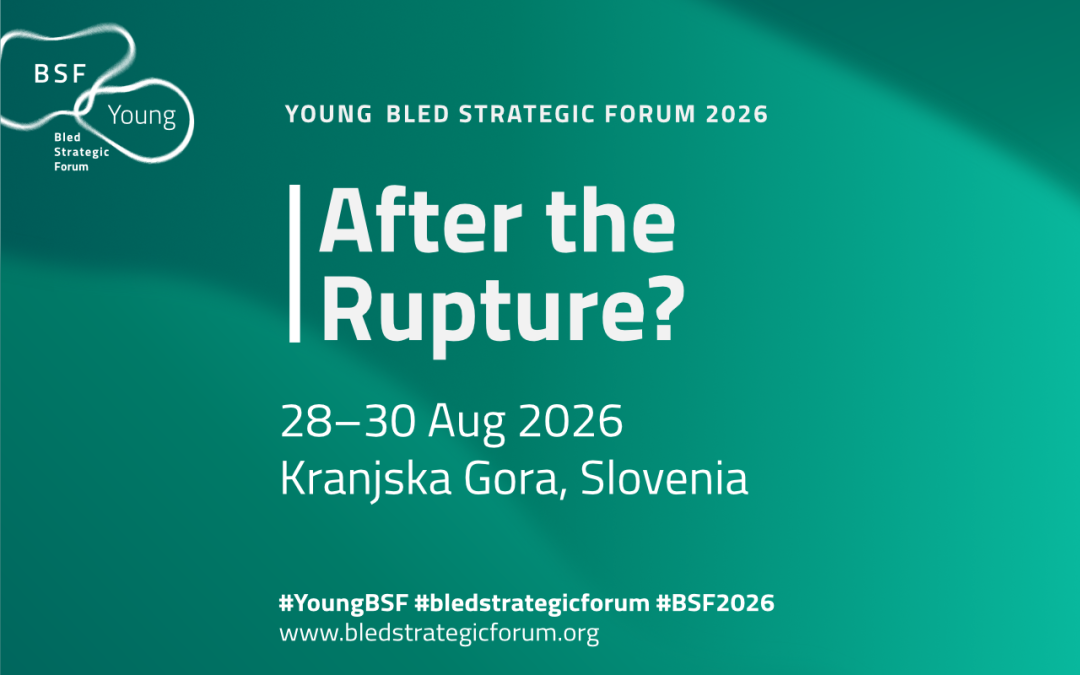
The 15th Young Bled Strategic Forum, titled “After the Rupture: Agency and Resilience in a Fragmented World,” will examine how individuals, institutions and societies respond to disruption in a rapidly changing international environment. At a time when long-standing assumptions about stability, cooperation and democratic consolidation are increasingly challenged, the forum will focus on how interpretations of global change shape our ability to act and build resilience.
Through discussions structured around three thematic pillars—interpreting rupture and responsibility, defining what is worth defending, and exploring agency in a fragmented world—participants will reflect on the role of young leaders in navigating uncertainty and contributing to shaping the future.
Young BSF 2026 will take place in Kranjska Gora, Slovenia, from 28 to 30 August 2026. Following the Young BSF programme, participants will also attend the Bled Strategic Forum in Bled on 31 August and 1 September 2026.
Applications will open soon. To stay updated, subscribe to the CEP newsletter for the latest announcements.
11. 3. 2026 | North Macedonia - Nursing and Midwifery, PR
We are proud to launch a new consecutive project that builds on Slovenian good practice and experience as a vital element in driving successful European-style reforms in North Macedonia’s healthcare, with a focus on nursing and midwifery.
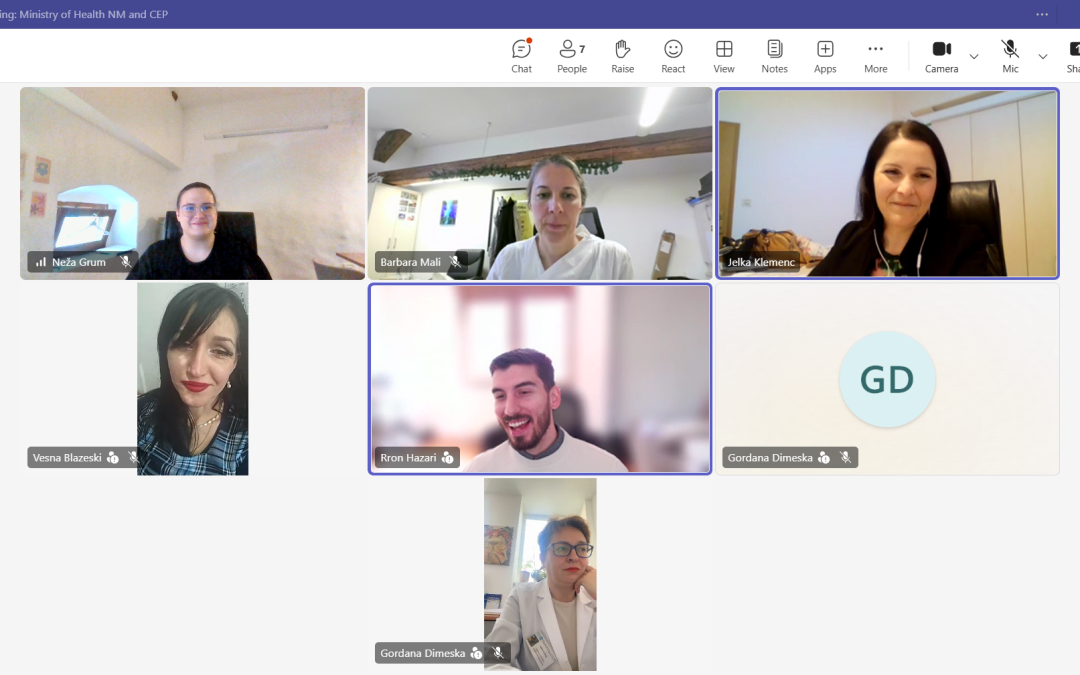
On 4 March 2026, representatives of the Centre for European Perspective (CEP) and the Ministry of Health of North Macedonia held an online meeting to discuss the continuation of their cooperation within a development project focused on strengthening nursing and midwifery education, professional regulation and workforce development in North Macedonia.
During the meeting, participants reviewed the key results achieved during the first phase of the project. Among the most important outcomes were the preparation of a proposal for a modernised and unified undergraduate nursing curriculum and the development of a proposal for establishing a regulatory body for the nursing profession within the Ministry of Health. The project also supported knowledge exchange and study visits aimed at sharing Slovenian good practices, particularly regarding the role of graduate nurses in primary healthcare.
Building on these results, the partners discussed priorities for the new three-year project period (2026–2028). The next phase will focus primarily on implementing the reforms prepared in the first phase. Planned efforts include supporting the national adoption of the unified nursing curriculum, exploring the possibilities for developing a master’s level nursing programme, advancing the establishment of a professional regulatory framework, and strengthening the roles of nurses and midwives through targeted pilot programmes.
The Ministry of Health of North Macedonia will remain the project’s main institutional partner, with the involvement of other relevant institutions and professional stakeholders, including Slovenian experts.
The meeting confirmed the strong commitment of both partners to continue working together on reforms aimed at strengthening the nursing and midwifery professions and supporting the development of the healthcare system in North Macedonia.
13. 2. 2026 | Peace and security, POTC, PR
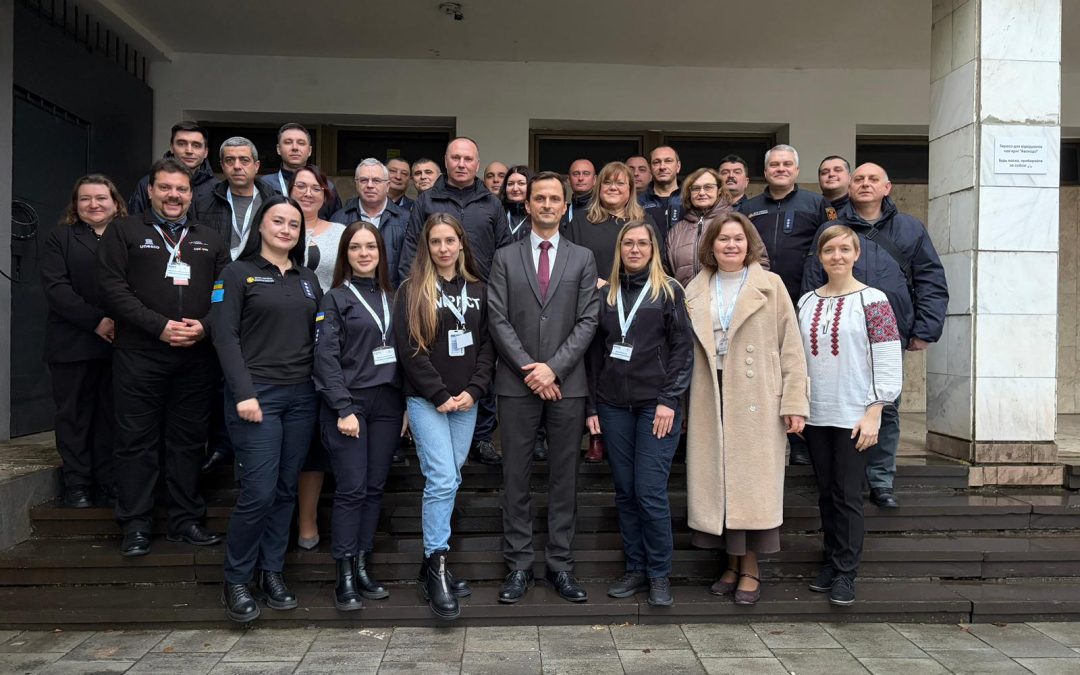
Usposabljanje z naslovom »Podnebne spremembe in obvladovanje tveganj nesreč« je bilo namenjeno pripadnikom ukrajinske civilne zaščite in strokovnjakom s področja preventive ter pripravljenosti na naravne nesreče.
Click here to read this article in English.
Čeprav je v vojnem času obseg nalog ukrajinske civilne zaščite razširjen na pomoč prebivalstvu, ostaja usposabljanje ključnega pomena tudi v takšnih razmerah, saj vojna dodatno povečuje zahtevnost odzivanja na naravne nesreče in njihove posledice. Usposabljanje hkrati predstavlja pomemben instrument za usklajevanje ukrajinskih sistemov odzivanja z mehanizmi za krizno odzivanje EU.
Izvedba programa je eden od mnogih konkretnih izkazov bilateralne pomoči, ki jo Slovenija nudi Ukrajini. Dejstvo, da se je aktivnost odvila na ukrajinskih tleh, pa je dodaten izraz solidarnosti Slovenije z Ukrajino.
Pripadnike ukrajinske civilne zaščite smo usposobili na področju:
👉 razumevanja kompleksnih podnebno pogojenih nesreč in celostnih pristopov k večji pripravljenosti, v skladu s Sendajskim okvirom,
👉 mehanizmov zbiranja podatkov, kartiranja, napovedovanja in zgodnjega opozarjanja,
👉 evropskih mehanizmov kriznega upravljanja ter pripravljenosti in odzivanja na naravne in druge nesreče,
👉 mehanizmov za zaščito civilnega prebivalstva,
👉ocenjevanja tveganj v kompleksnih okoljih z več viri tveganj, vključno z aktualno vojno.
Ključni cilj usposabljanja je bil krepitev kapacitet ukrajinske civilne zaščite, da se na nesreče vnaprej pripravi, se nanje učinkovito odzove ter nato hitreje okreva.
Usposabljanje je potekalo v dveh terminih – prvi med 9. in 11. februarjem ter drugi med 12. in 14. februarjem.
Za več informacij o usposabljanju in še več nas lahko spremljate na družbenih omrežjih:
LinkedIn • X • Facebook • Bluesky