Announcing Young Bled Strategic Forum 2026

Announcing Young Bled Strategic Forum 2026

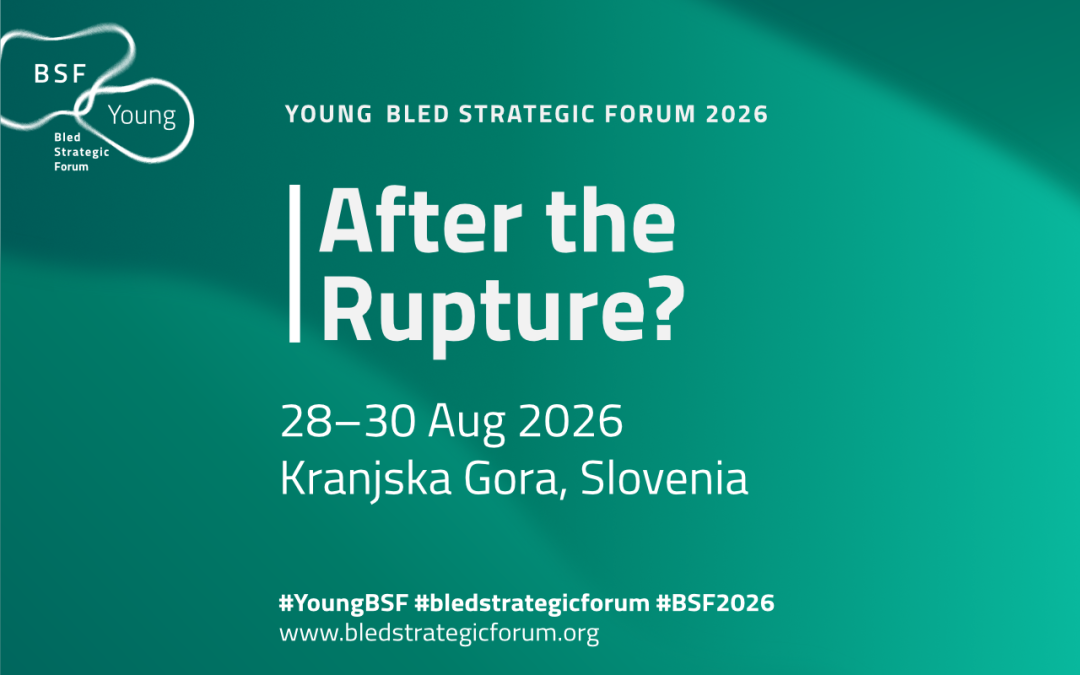
The 15th Young Bled Strategic Forum, titled “After the Rupture: Agency and Resilience in a Fragmented World,” will examine how individuals, institutions and societies respond to disruption in a rapidly changing international environment. At a time when long-standing assumptions about stability, cooperation and democratic consolidation are increasingly challenged, the forum will focus on how interpretations of global change shape our ability to act and build resilience.

Through discussions structured around three thematic pillars—interpreting rupture and responsibility, defining what is worth defending, and exploring agency in a fragmented world—participants will reflect on the role of young leaders in navigating uncertainty and contributing to shaping the future.

Young BSF 2026 will take place in Kranjska Gora, Slovenia, from 28 to 30 August 2026. Following the Young BSF programme, participants will also attend the Bled Strategic Forum in Bled on 31 August and 1 September 2026.

Applications will open soon. To stay updated, subscribe to the CEP newsletter for the latest announcements.

CEP and North Macedonia’s Ministry of Health Discuss Next Phase of Nursing and Midwifery Reform project

CEP and North Macedonia’s Ministry of Health Discuss Next Phase of Nursing and Midwifery Reform project

We are proud to launch a new consecutive project that builds on Slovenian good practice and experience as a vital element in driving successful European-style reforms in North Macedonia’s healthcare, with a focus on nursing and midwifery.  

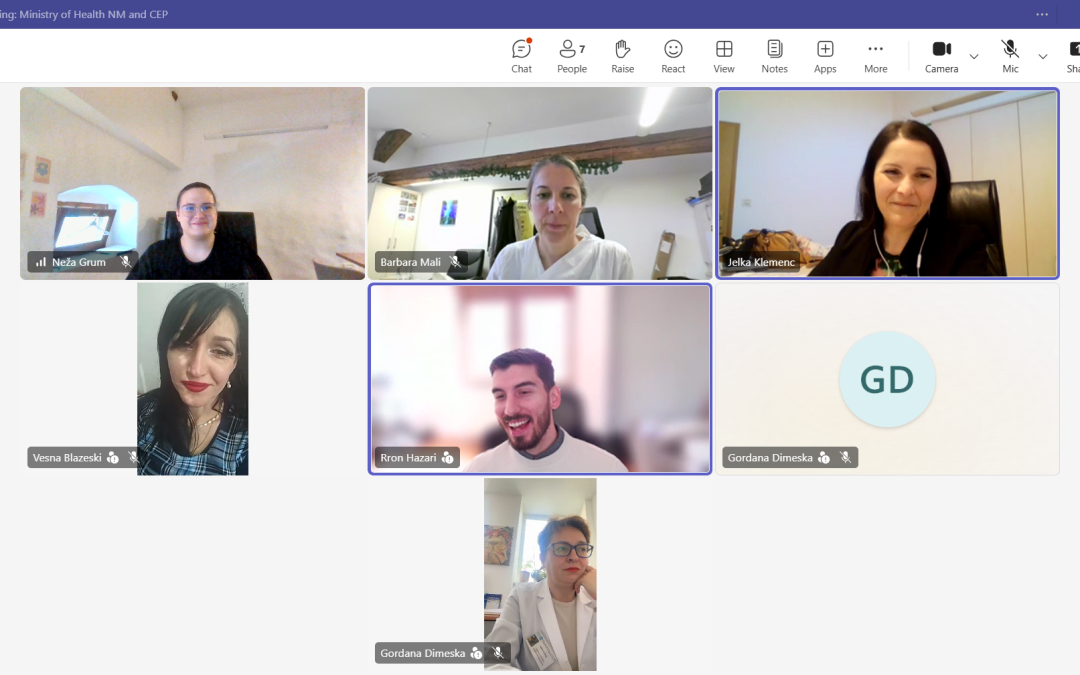
 On 4 March 2026, representatives of the Centre for European Perspective (CEP) and the Ministry of Health of North Macedonia held an online meeting to discuss the continuation of their cooperation within a development project focused on strengthening nursing and midwifery education, professional regulation and workforce development in North Macedonia 

 During the meeting, participants reviewed the key results achieved during the first phase of the project. Among the most important outcomes were the preparation of a proposal for a modernised and unified undergraduate nursing curriculum and the development of a proposal for establishing a regulatory body for the nursing profession within the Ministry of Health. The project also supported knowledge exchange and study visits aimed at sharing Slovenian good practices, particularly regarding the role of graduate nurses in primary healthcare.  

 Building on these results, the partners discussed priorities for the new three-year project period (2026–2028). The next phase will focus primarily on implementing the reforms prepared in the first phase. Planned efforts include supporting the national adoption of the unified nursing curriculum, exploring the possibilities for developing a master’s level nursing programme, advancing the establishment of a professional regulatory framework, and strengthening the roles of nurses and midwives through targeted pilot programmes.  

 The Ministry of Health of North Macedonia will remain the project’s main institutional partner, with the involvement of other relevant institutions and professional stakeholders, including Slovenian experts.   

 The meeting confirmed the strong commitment of both partners to continue working together on reforms aimed at strengthening the nursing and midwifery professions and supporting the development of the healthcare system in North Macedonia. 

EUTI Partners Meeting at Jable Castle

EUTI Partners Meeting at Jable Castle

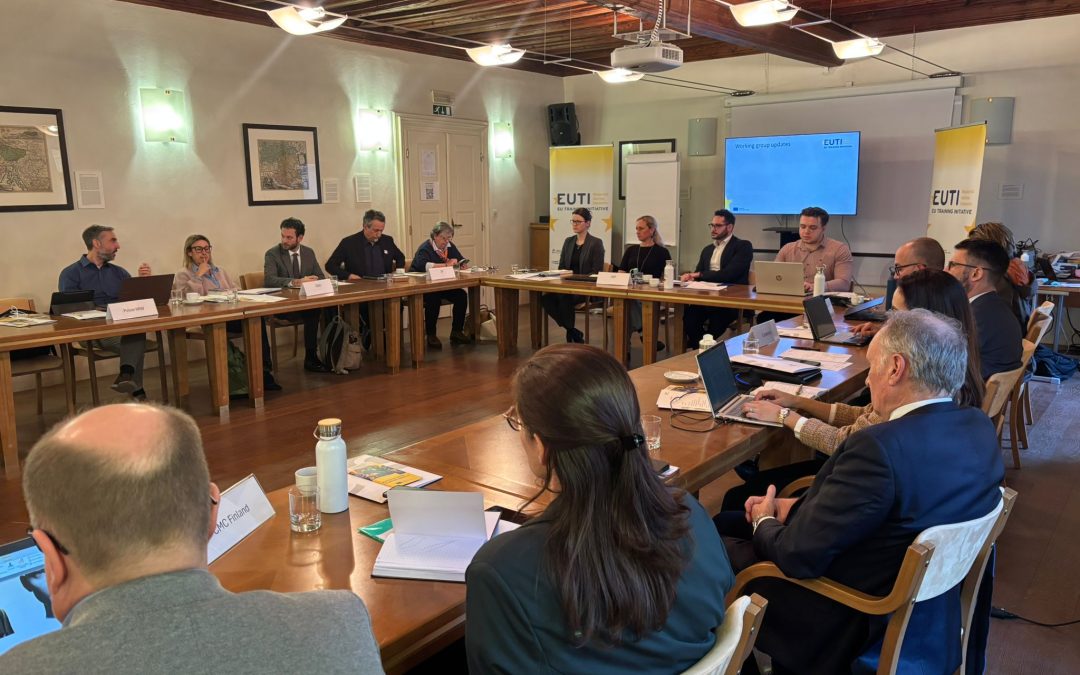
Over the last two days (3 and 4 March 2026), the EUTI (European Union Training Initiative) consortium held its partner meeting at Jable Castle in Slovenia. The event brought together 32 representatives from 14 partner organizations to map out the best possible path forward for the project.

The primary goal of the gathering was to ensure the consortium can fulfill its mission as effectively as possible: equipping civilian experts with the skills to navigate complex environments and strengthening the EU’s role as a proactive leader in global peace and security.

The meeting served as a vital space for Europe’s top training institutions to pool their knowledge. Key discussions focused on analyzing the current training requirements of civilian missions on the ground, exploring the benefits of new technologies and how to effectively integrate AI into the training sector as well as reaffirming that specialized training is not just a “bonus” for mission members, but a fundamental requirement for the success and safety of international missions.

The EUTI consortium is walking away with a clear roadmap of ideas that will be implemented throughout the next phases of the project, ensuring we continue to deliver high-quality, standardized training across Europe.

Kick-Off Meeting of the ENTER: CHANGE – Phase 2 Project in Sarajevo

Kick-Off Meeting of the ENTER: CHANGE – Phase 2 Project in Sarajevo

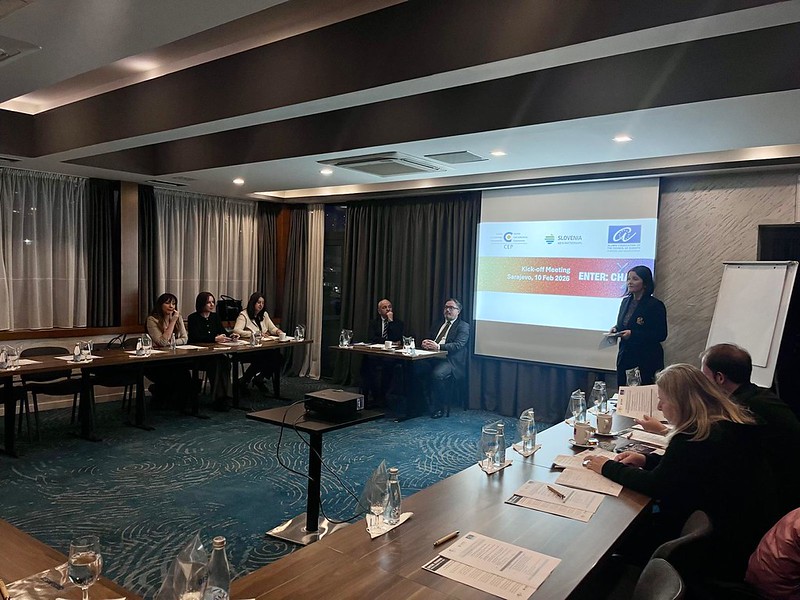
From 9 to 11 February 2026, the Kick-Off Meeting of the project “ENTER: CHANGE – Establishing a Network and Capacity Building for Young Future Leaders in the Western Balkans – Phase 2 (2026–2028)” took place in Sarajevo, Bosnia and Herzegovina. The meeting officially launched the second phase of the project, aimed at strengthening regional cooperation, fostering the development of emerging leaders, and expanding a network of talented young professionals across the Western Balkans.

During the visit, we met with our partner in the project, School of Political Studies BiH, and held a dedicated event with alumni from both SPS BiH and Phase 1 of ENTER: CHANGE.

During the launch event, we:

✔️ presented the project plan for 2026–2028,
✔️ collected valuable feedback and recommendations from partners and alumni to guide the further development of the project.

The event represented a significant step in reinforcing regional cooperation, promoting young leadership, and further developing a network that connects talented individuals across the Western Balkans. Participants had the opportunity to exchange ideas, share best practices, and contribute to shaping a shared vision for the project’s future activities.

During CEP’s visit to Sarajevo, we also met with key stakeholders to discuss potential synergies and avenues for collaboration, including:

  • Embassy of the Republic of Slovenia in Bosnia and Herzegovina
  • European Union Delegation in Bosnia and Herzegovina
  • Directorate for European Integration
  • Regional Anti-Corruption Initiative (RAI)
  • Regional Cooperation Council (RCC)

The Kick-Off Meeting has set a strong foundation for the successful implementation of ENTER: CHANGE Phase 2, reinforcing collaboration, inspiring young leaders, and guiding the project’s next steps across the Western Balkans.

The activities under the ENTER: CHANGE project are supported by the Slovenian Ministry of Foreign and European Affairs through the Slovenian Aid programme.

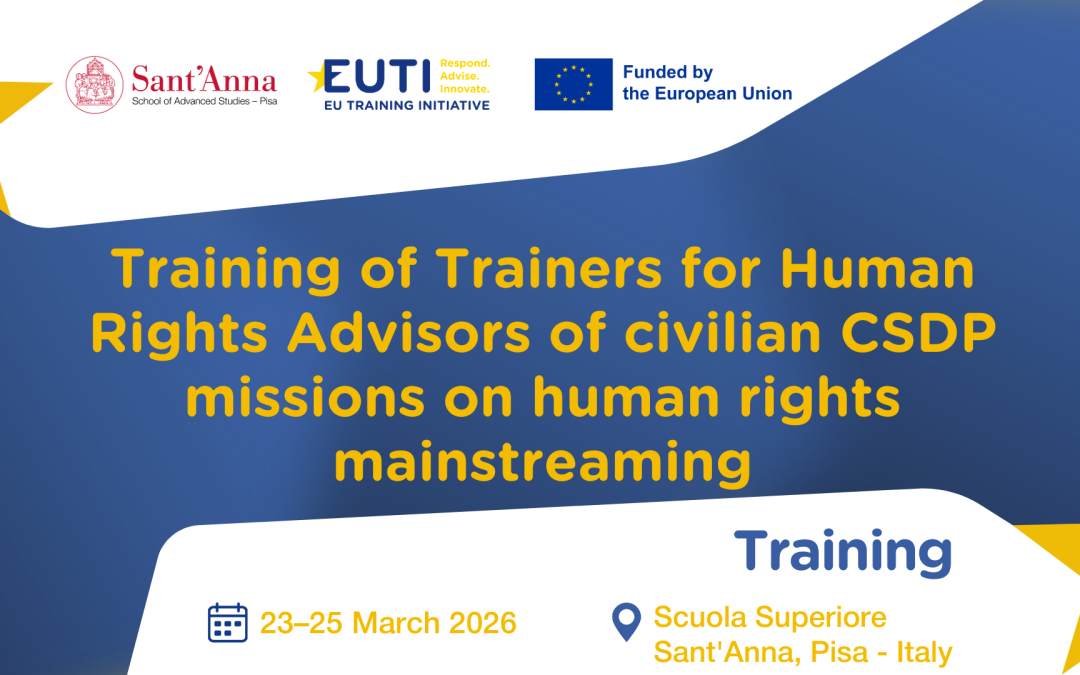
EUTI Training – Call for Applications: ToT for Human Rights Advisors

EUTI Training – Call for Applications: ToT for Human Rights Advisors

The Scuola Superiore Sant’Anna, under the auspices of EUTI – European Union Training Initiative, will hold Training of Trainers for Human Right Advisors (HRA): Mainstreaming Human Rights into Civilian Crisis Management Missions’ Internal and External Activities: using a HRBA approach.

The call for applications is now open.

Training dates: 23–25 March 2026

Training location: Scuola Superiore Sant’Anna, Pisa, Italy

Target Group: Human Rights Advisors of civilian CSDP crisis missions and human rights support elements at HQs

This training initiative directly supports the implementation of the 2021 Civilian Operations Commander Operational Guidelines on Human Rights Mainstreaming and Human Rights Due Diligence. While substantial progress has been made in policy development, a significant gap remains in the practical application of these standards within Common Security and Defence Policy (CSDP) civilian missions. To bridge this gap, this course equips Human Rights Advisors (HRAs) with the didactical and methodological skills necessary to train their colleagues and foster a Human Rights-Based Approach (HRBA) across all mission mandates.

The key objective of this course is thus to contribute to building in-mission capacities for training purposes in the field of human rights mainstreaming. It will also enhance the ability of missions to adapt to the steadily changing capacity-building requirements and strengthen in-mission capability to deliver high quality trainings in the area of HRBA and human rights mainstreaming.

The curriculum of the training will move beyond theoretical definitions, focusing on the HOW of human rights mainstreaming. Participants will engage in practical exercises—including situational analysis, elaborating Theories of Change, and designing monitoring frameworks—all viewed through a human rights lens.

The training of trainers course will be targeted at human rights Advisors working in civilian CSDP missions – who, inter alia, conduct trainings and coaching sessions on issues related to human rights as subject matter experts or trainers and are called upon, in the Operational Guidelines on Human Rights Mainstreaming and Human Rights Due Diligence, to play a catalyst role to ensure internal and external human rights mainstreaming within the mission of assignment.

 Applications for the Training of Trainers for Human Rights Advisors are now open. Deadline is 22 February 2026.