27. 3. 2026 | POTC, PR
ODPRTE PRIJAVE na Seminar o prebojnih vojaških tehnologijah in praksah – Humanoidni roboti v oboroženih silah.
Click here to read this article in English.
Letošnji seminar je posvečen uporabi humanoidnih (človeku podobnih) robotov v oboroženih silah, vpogledu v stanje razvoja tovrstnih sistemov v svetu in razmišljanju o njihovih morebitnih vlogah v oboroženih silah prihodnosti.
Hiter razvoj humanoidnih robotov, specifičnega segmenta avtonomnih sistemov, vsekakor prinaša nove izzive v širšo družbo in s tem nedvomno tudi v oborožene sile po vsem svetu. Na seminarju bodo gostujoči strokovnjaki orisali stanje razvoja humanoidnih robotov, razmišljali o razlogih za njihovo uporabo v oboroženih silah, udeležence seznanili s tehničnimi izzivi njihovega razvoja in se dotaknili tudi etičnih vprašanj njihove uporabe v prihodnosti.
Lokacija in čas seminarja:
Grad Jable, Mengeš, torek, 26. maj 2026, predvidoma od 8.00 do 16.00
Registracija – rok 12. maj 2026
Za udeležbo na seminarju je nujna registracija. Udeleženci se registrirajo tukaj.
Jezik seminarja: slovenščina
Za dodatne informacije o seminarju smo dosegljivi na e-naslovu: [email protected]
Za več informacij o usposabljanju in več o delu POTC nas lahko spremljate na družbenih omrežjih:
LinkedIn • X • Facebook • Bluesky


17. 3. 2026 | POTC, PR
Peace Operations Training Centre (POTC) v sodelovanju z Oddelkom za varnostno načrtovanje v Službi za varnost, nepremičnine in logistiko Ministrstva za zunanje in evropske zadeve tudi letos organizira Varnostno usposabljanje za diplomatsko osebje. Usposabljanje bo potekalo v 3. junija 2026 na gradu Jable.
Click here to read the article in the English language.
Varnostno usposabljanje je namenjeno vsem profesionalnim diplomatom, ki jih RS napotuje v države z nizko stopnjo varnostnega tveganja in nimajo predhodnega znanja s področja zagotavljanja osebne varnosti. Po uspešno zaključeni udeležbi bodo udeleženci sposobni prepoznati različne varnostne grožnje, razumeti osnove varnostnih postopkov in protokolov na DKP, poznati osnove ravnanja v spremenjenih varnostnih razmerah na DKP in na poti, prepoznavati aktivnosti nadzora, uporabljati ukrepe za zmanjšanje varnostnih tveganj ter uporabiti ukrepe in metode za zmanjševanje stresa v visoko stresnih situacijah.
Udeležba na usposabljanju je zaprta za javnost.
V primeru dodatnih vprašanj, nas kontaktirajte preko: [email protected]
Za več informacij o usposabljanju in več o delu POTC nas lahko spremljate na družbenih omrežjih:
LinkedIn • X • Facebook • Bluesky
16. 3. 2026 | POTC, PR
Kliknite tukaj za branje članka v slovenskem jeziku.
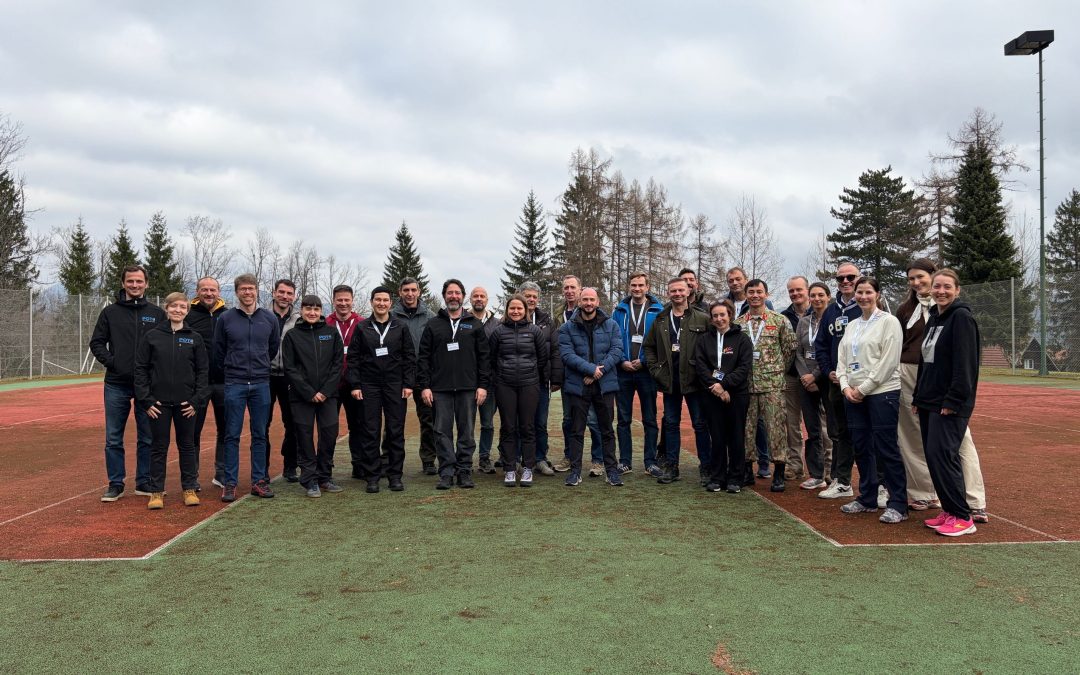
From 8 to 13 March 2026, the Peace Operations Training Centre (POTC) and the European Security and Defence College (ESDC) successfully co-organised the Hostile Environment Awareness Training (HEAT) at the Gotenica Police Training Centre. A total of 20 participants from diverse professional backgrounds successfully completed the five-day training in the southwestern part of Slovenia (HEAT 2026).
Throughout the week, participants strengthened their security and situational awareness, reinforced a strong safety mindset, and built confidence in handling hostile situations. The programme combined e-learning modules prior to arrival with in-person lectures, guided discussions, role-playing, simulations, and a complex field training exercise. Participants tackled topics such as threat awareness, threat management, medical response, orientation, communication, mobility, and deployment in hostile environments. A strong focus was placed on practical rehearsals of safety and security procedures and on developing the right behaviours to respond effectively under stress.
The training would not have been possible without the dedication, professionalism, and energy of the Slovenian and international trainers who guided participants through demanding and realistic scenarios. A big thank you to all of them for sharing their expertise and experience.
Congratulations to all 20 participants for their commitment, teamwork, and resilience throughout the week. We look forward to seeing the positive impact of this training in future missions and deployments.
Follow us on social media for more POTC news and content:
LinkedIn • X • Facebook • Bluesky

2. 3. 2026 | POTC, PR
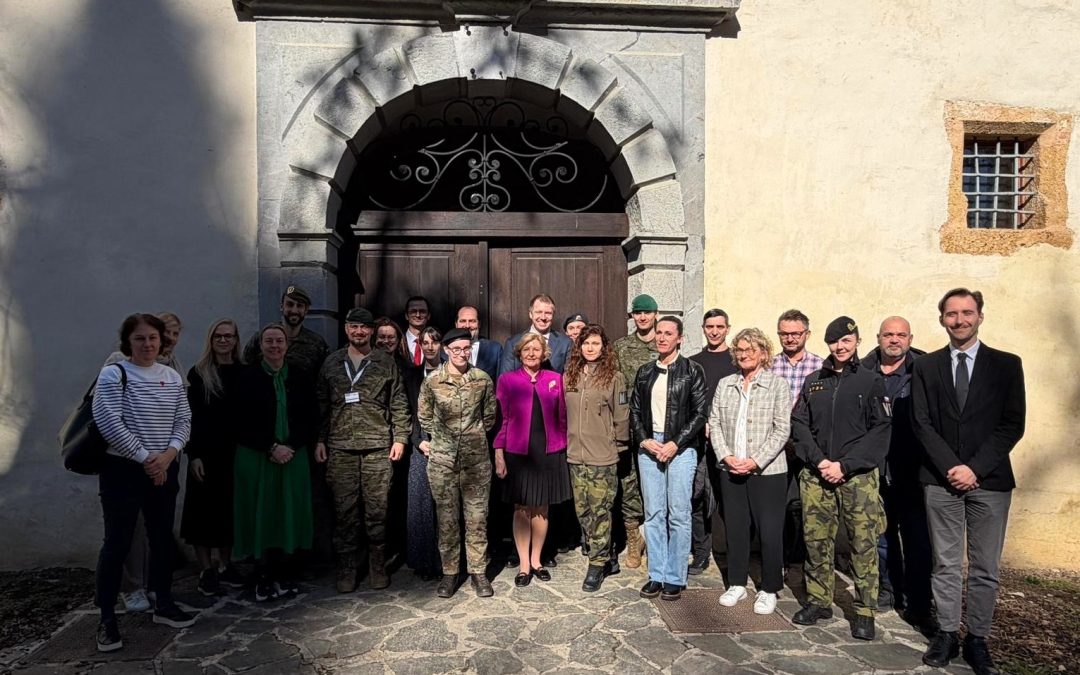
POTC’s gender mainstreaming 5-day training programme was successfully delivered. The training took place at Jable Castle in Slovenia. A total of 19 participants took part, and 8 lecturers/trainers delivered the training programme. The training was delivered in cooperation with the European Security and Defence College (ESDC).
Kliknite tukaj za branje članka v slovenskem jeziku.
The programme was tailored for up to 20 civilian experts, police officers, and military personnel, either currently deployed or preparing for deployment to international missions. It was also open to individuals from third countries who are involved in, or plan to join, CSDP, NATO, OSCE, or UN missions, or who are assigned to roles in fragile states.
The training aimed to boost the operational effectiveness by equipping participants with the knowledge and skills needed to integrate a gender perspective into CSDP and international missions and operations. The aim of the training was achieved through our expert speakers/trainers from Slovenia, the Netherlands, Finland, and Kenya.
The certificates were handed to the participants by Ambassador Darja Bavdaž Kuret, Slovenian Ambassador-at-Large for Women, Peace and Security.
POTC would like to thank everyone who helped realise the training: the speakers, participants, and institutional partners, especially the European Security and Defence College and the International Peace Support Training Centre (IPSTC) of Kenya.
Follow us on social media for more POTC news and content:
LinkedIn • X • Facebook • Bluesky
16. 2. 2026 | POTC, PR
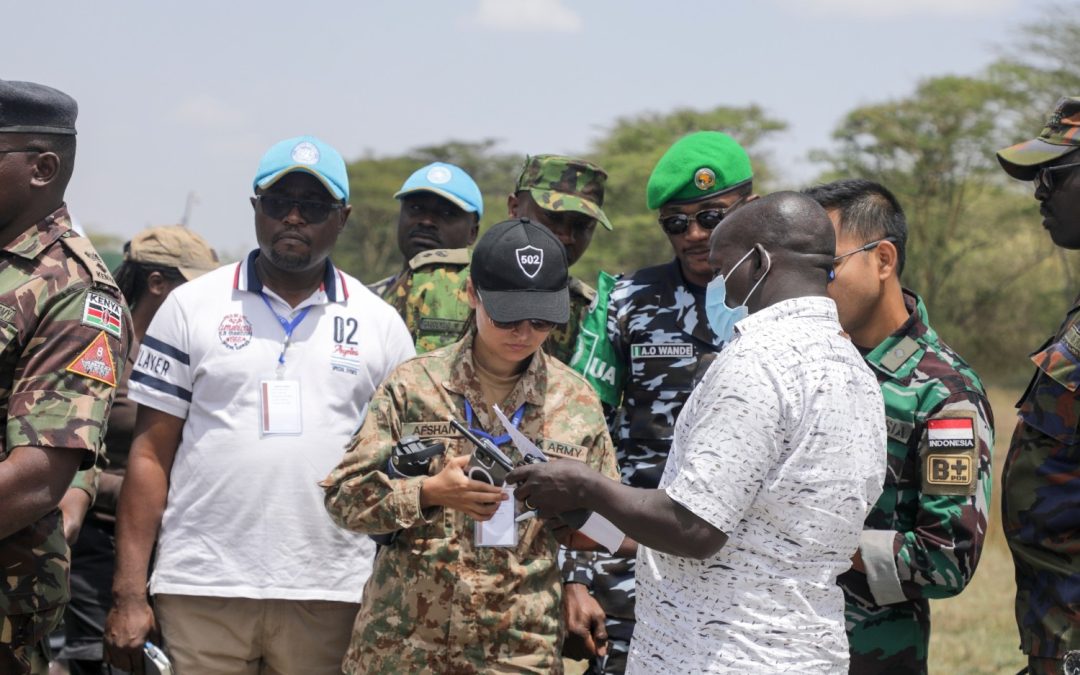
The 10-day Comprehensive Protection of Civilians Course (CPOC) held in Nairobi, Kenya, has concluded.
Kliknite tukaj za branje članka v slovenskem jeziku.
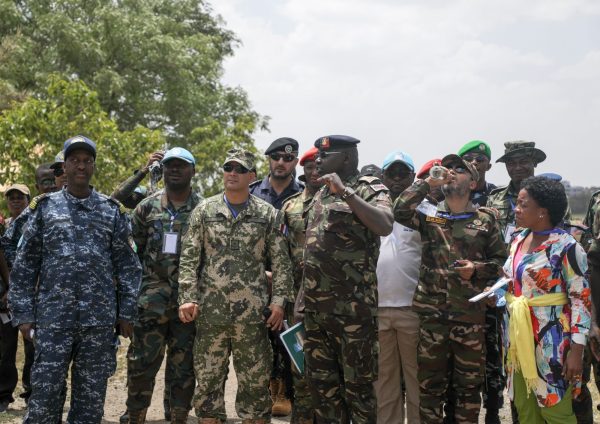
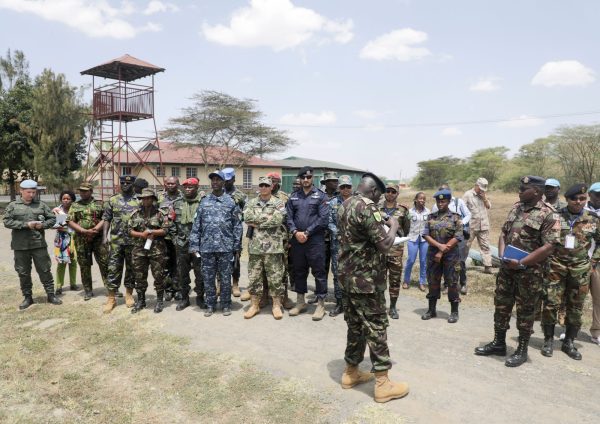
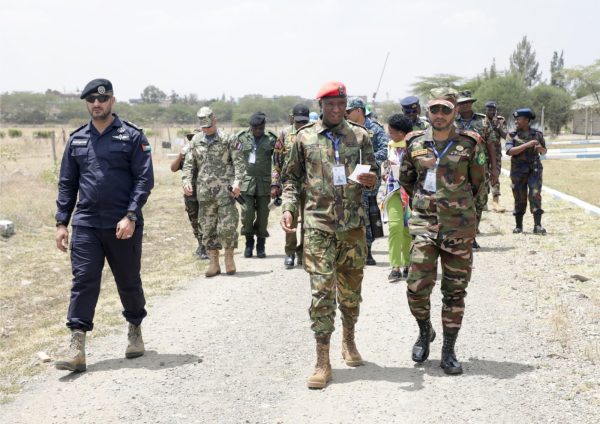
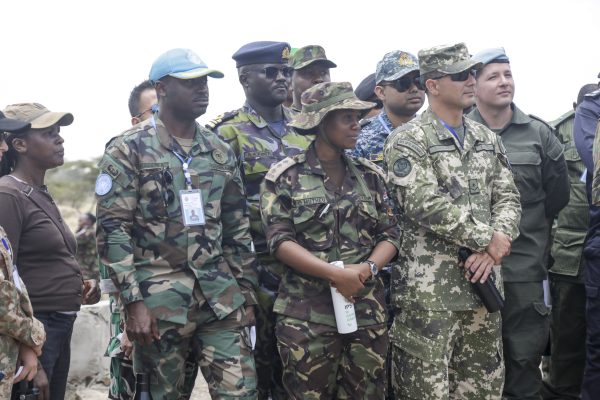
The training was the result of a collaboration between POTC, the International Peace Support Training Centre (IPSTC), and the British Peace Support Team – Africa (BPST – A). From Monday, 02 to Friday, 13 February 2026, a large group of participants was submerged into the world of protection of civilians, with the main aim being to equip participants with relevant knowledge and skills to effectively assess, plan, and implement Protection of Civilians (POC) activities in United Nations (UN) and African Union (AU) peace operations.
The training activity culminated in a full-day scenario-based exercise (SBE) that tested participants’ newly acquired knowledge and skills. You can see some pictures from the SBE below.
POTC would like to congratulate the participants on their participation and their certificates. A big thank you to the professional team at the IPSTC and to the colleagues at BPST-A for making this training a success.
Follow us on social media for more POTC news and content:
LinkedIn • X • Facebook • Bluesky

13. 2. 2026 | Peace and security, POTC, PR
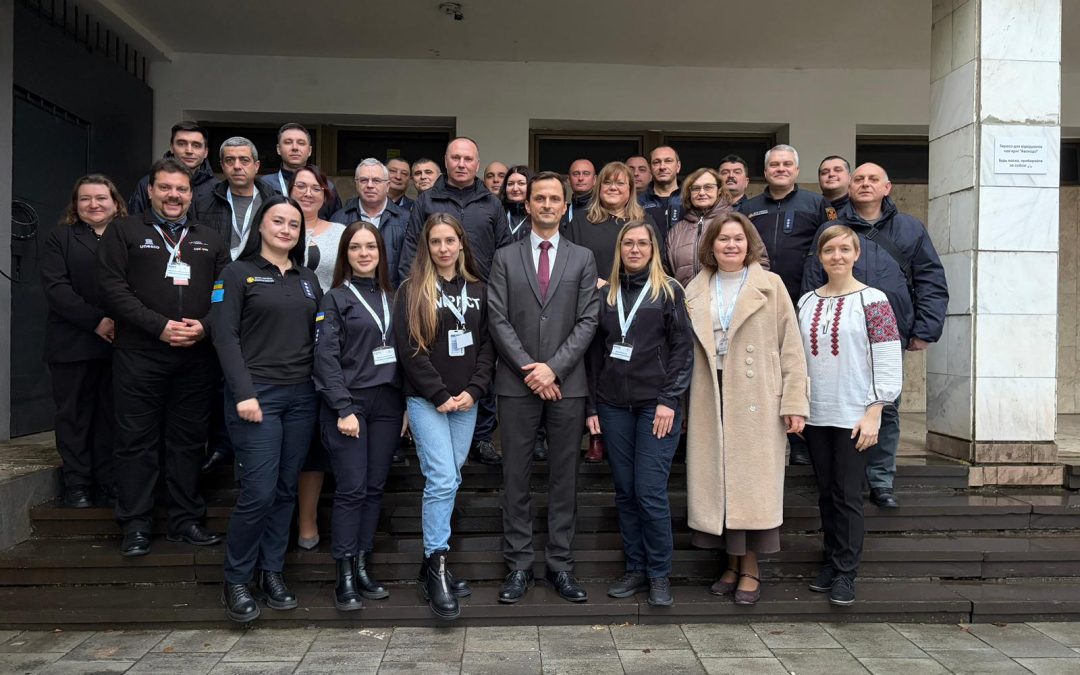
Usposabljanje z naslovom »Podnebne spremembe in obvladovanje tveganj nesreč« je bilo namenjeno pripadnikom ukrajinske civilne zaščite in strokovnjakom s področja preventive ter pripravljenosti na naravne nesreče.
Click here to read this article in English.
Čeprav je v vojnem času obseg nalog ukrajinske civilne zaščite razširjen na pomoč prebivalstvu, ostaja usposabljanje ključnega pomena tudi v takšnih razmerah, saj vojna dodatno povečuje zahtevnost odzivanja na naravne nesreče in njihove posledice. Usposabljanje hkrati predstavlja pomemben instrument za usklajevanje ukrajinskih sistemov odzivanja z mehanizmi za krizno odzivanje EU.
Izvedba programa je eden od mnogih konkretnih izkazov bilateralne pomoči, ki jo Slovenija nudi Ukrajini. Dejstvo, da se je aktivnost odvila na ukrajinskih tleh, pa je dodaten izraz solidarnosti Slovenije z Ukrajino.
Pripadnike ukrajinske civilne zaščite smo usposobili na področju:
👉 razumevanja kompleksnih podnebno pogojenih nesreč in celostnih pristopov k večji pripravljenosti, v skladu s Sendajskim okvirom,
👉 mehanizmov zbiranja podatkov, kartiranja, napovedovanja in zgodnjega opozarjanja,
👉 evropskih mehanizmov kriznega upravljanja ter pripravljenosti in odzivanja na naravne in druge nesreče,
👉 mehanizmov za zaščito civilnega prebivalstva,
👉ocenjevanja tveganj v kompleksnih okoljih z več viri tveganj, vključno z aktualno vojno.
Ključni cilj usposabljanja je bil krepitev kapacitet ukrajinske civilne zaščite, da se na nesreče vnaprej pripravi, se nanje učinkovito odzove ter nato hitreje okreva.
Usposabljanje je potekalo v dveh terminih – prvi med 9. in 11. februarjem ter drugi med 12. in 14. februarjem.
Za več informacij o usposabljanju in še več nas lahko spremljate na družbenih omrežjih:
LinkedIn • X • Facebook • Bluesky