EUTI Training: Artificial Intelligence in CSDP Training and Education

EUTI Training: Artificial Intelligence in CSDP Training and Education

From 20 to 22 October 2026, Polizei Nordrhein-Westfalen (Polizei NRW), under the auspices of EUTI – European Union Training Initiative, successfully conducted an internal online pilot of the “Artificial Intelligence in CSDP Training and Education” course. The three-day training focused on the practical and responsible use of artificial intelligence (AI) in designing and delivering training within the Common Security and Defence Policy (CSDP) context.

Training dates: 20–22 October 2026

Training location: Online

Background and Core Objectives

As AI tools become increasingly integrated into everyday professional work, trainers and mission personnel often use them through trial and error, without clear guidance on their effective, safe and appropriate application. At the same time, the EU AI Act places increasing emphasis on AI literacy among staff working with these technologies.

The pilot addressed an identified gap in the EU training landscape by focusing specifically on the application of AI in CSDP training and education. Its central objective was to move participants from occasional, unguided use of AI towards a structured, critical and responsible approach.

The programme focused on the following core objectives:

  • Practical AI Application: Exploring AI tools for training planning, developing learning materials, preparing presentations and creating images and videos.
  • Responsible AI Use: Understanding the limitations of AI, recognising data protection and security risks, and maintaining human oversight.
  • Learning-Centred Approach: Ensuring that AI tools are selected based on clearly defined learning objectives rather than allowing technology to determine the training methodology.
  • Scenario-Based Learning: Applying acquired knowledge to realistic tasks within a fictional CSDP mission environment.

Through these practical exercises, participants strengthened their ability to prepare and deliver training more efficiently without compromising quality or control. The acquired skills are particularly relevant for mission personnel who undertake training responsibilities without necessarily being professional trainers.

The internal pilot received overwhelmingly positive feedback from participants, highlighting the relevance and practical applicability of the course. Building on these results, the training is now moving towards further development and standardisation, with the aim of future delivery under the European Security and Defence College (ESDC) framework.

The key takeaway of the pilot was that AI can significantly enhance training efficiency and quality when applied appropriately, but it remains a supporting tool rather than a substitute for trainers’ expertise and judgement.
 

EUTI Training – Hostile Environment Psychological Intervention Course (HEPsyl)

EUTI Training – Hostile Environment Psychological Intervention Course (HEPsyl)

The Portuguese National Republican Guard (GNR), under the auspices of EUTI – European Union Training Initiative, will hold the Hostile Environment Psychological Intervention Course (HEPsyI).

The call for applications is now open.

Developed by the GNR Department of Psychology based on experience in demanding international operations, this course responds to the need to prepare personnel for psychological challenges in civilian and military crisis management missions. High-pressure environments can expose staff to critical incidents, extreme stress and potentially traumatic events. The course aims to strengthen individual and team resilience, emotional preparedness, psychological first aid and peer-to-peer support, while maintaining situational awareness and personal safety.

The objective is to equip participants with practical skills to recognise psychological crises, manage stress, support colleagues in distress and communicate appropriately in critical situations. The residential course uses brief theoretical sessions, role plays, practical exercises and operational simulations.

Training dates: 30 November – 4 December 2026

Training location: Lisbon, Portugal

Target Group: Civilian, police and military personnel from EU Member States, EU institutions and agencies, EU CSDP missions and operations, relevant international organisations and third countries. Priority is given to personnel already deployed or selected for high-risk CSDP missions and operations. Applications from female participants are encouraged.

Capacity: 12–14 participants

Course duration: 5 days (36 hours)

Course language: English

The course covers seven subject areas: psychological crises and critical incidents, psychological trauma, peer-to-peer support, stress-management techniques, psychological first aid, self-injurious behaviours and the communication of critical news. The revised course concept also provides for theoretical and practical assessments. Successful participants will receive joint EUTI and Portuguese Psychologists’ Association certification; those not meeting the required standard will receive a certificate of attendance.

Application

Interested candidates must apply using the online Application Form by 6 November 2026.

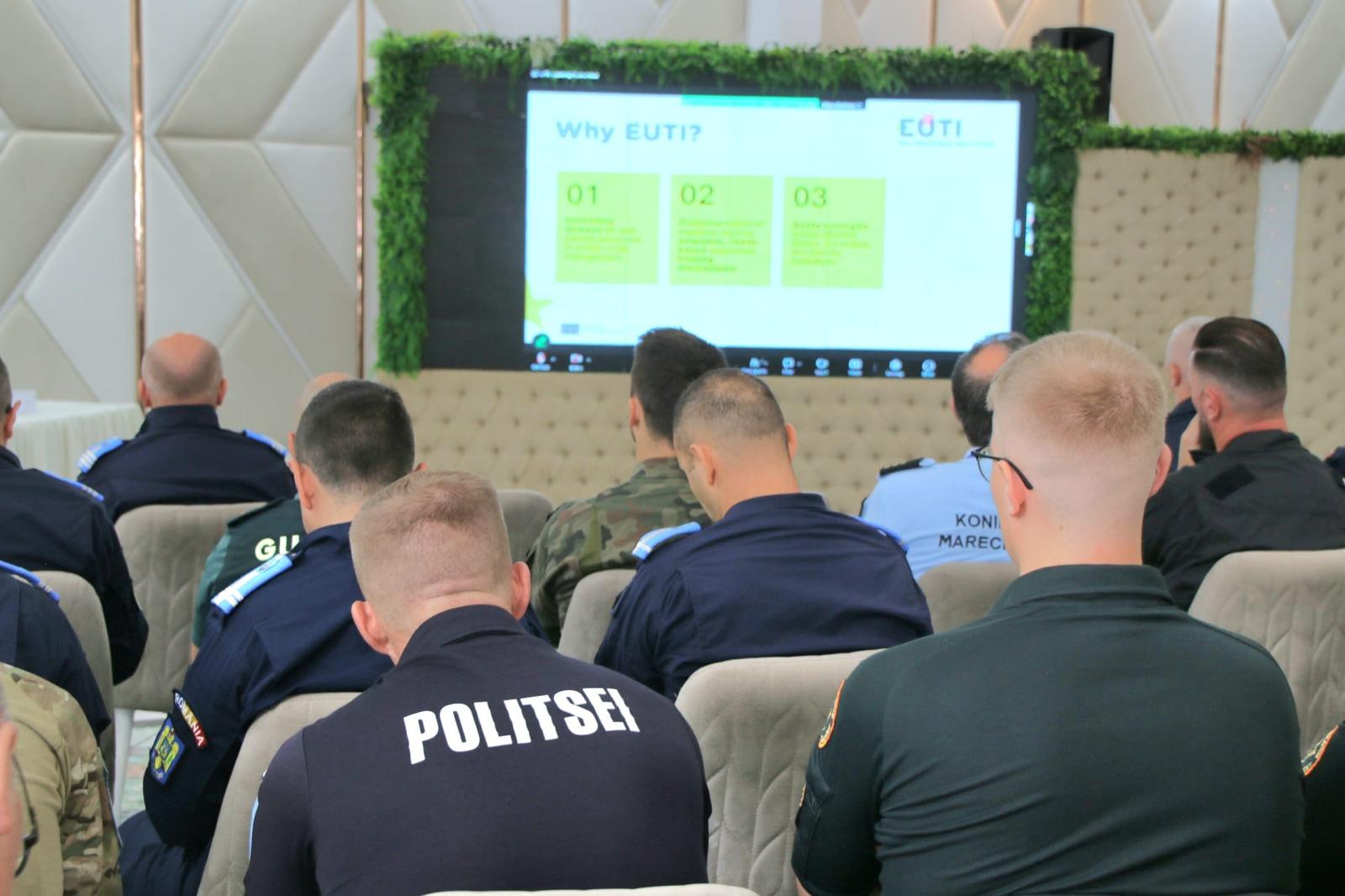
EUTI – Carpathians Blue Shield 2026: Building Trust and Interoperability Through Live Exercises

EUTI – Carpathians Blue Shield 2026: Building Trust and Interoperability Through Live Exercises

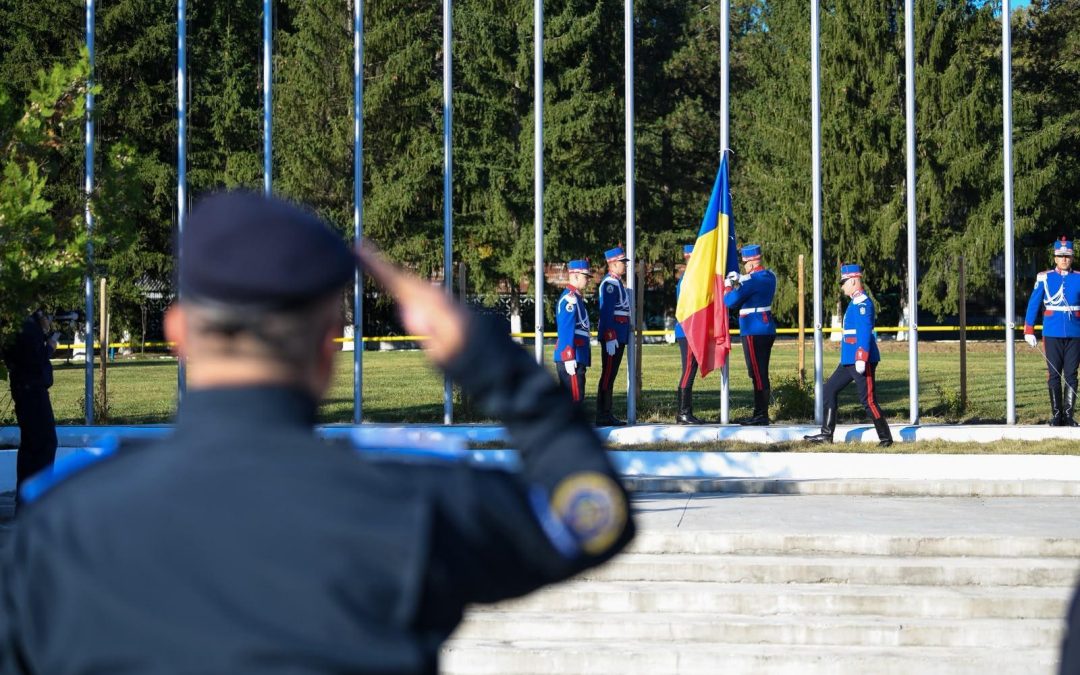
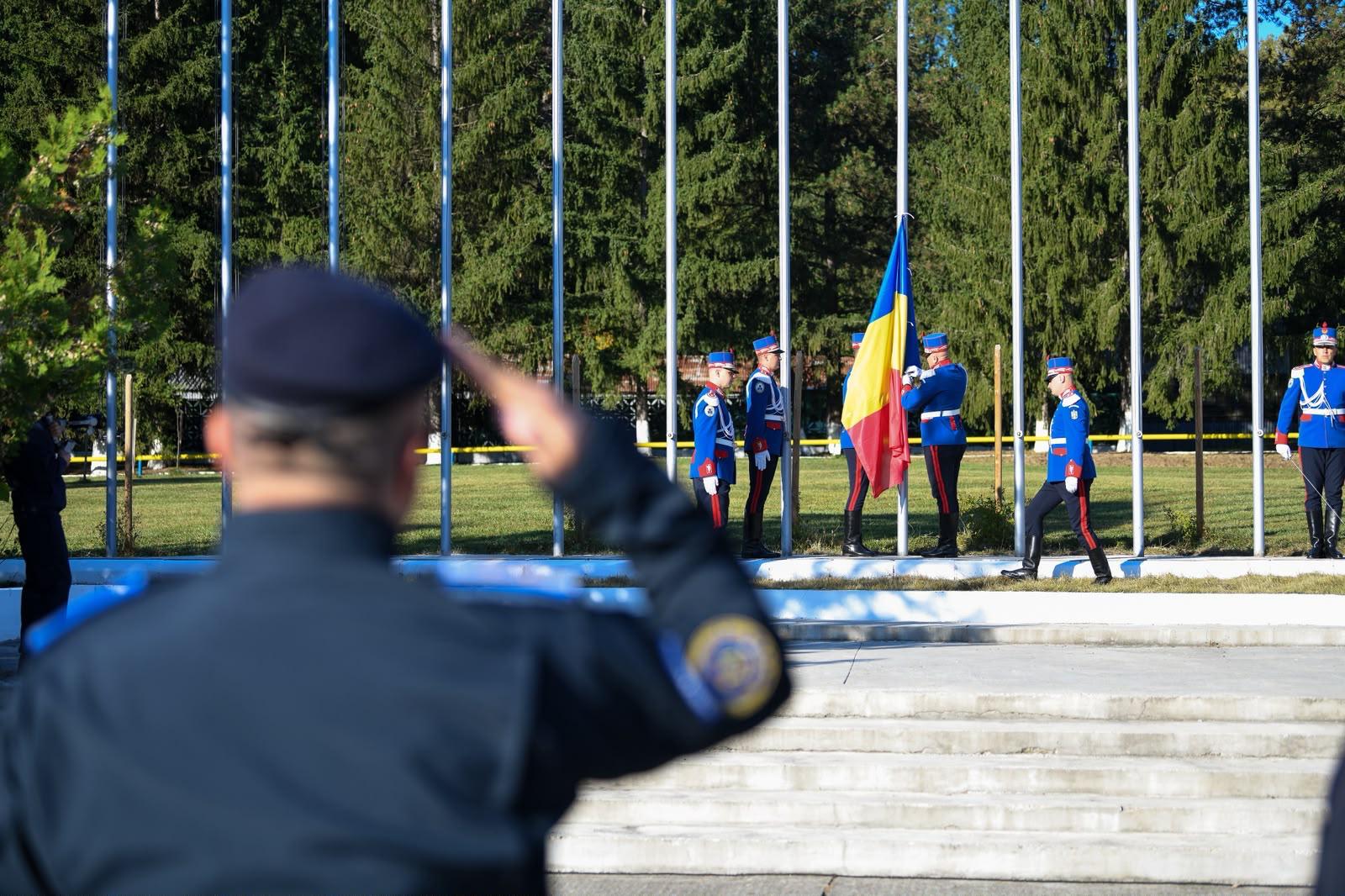
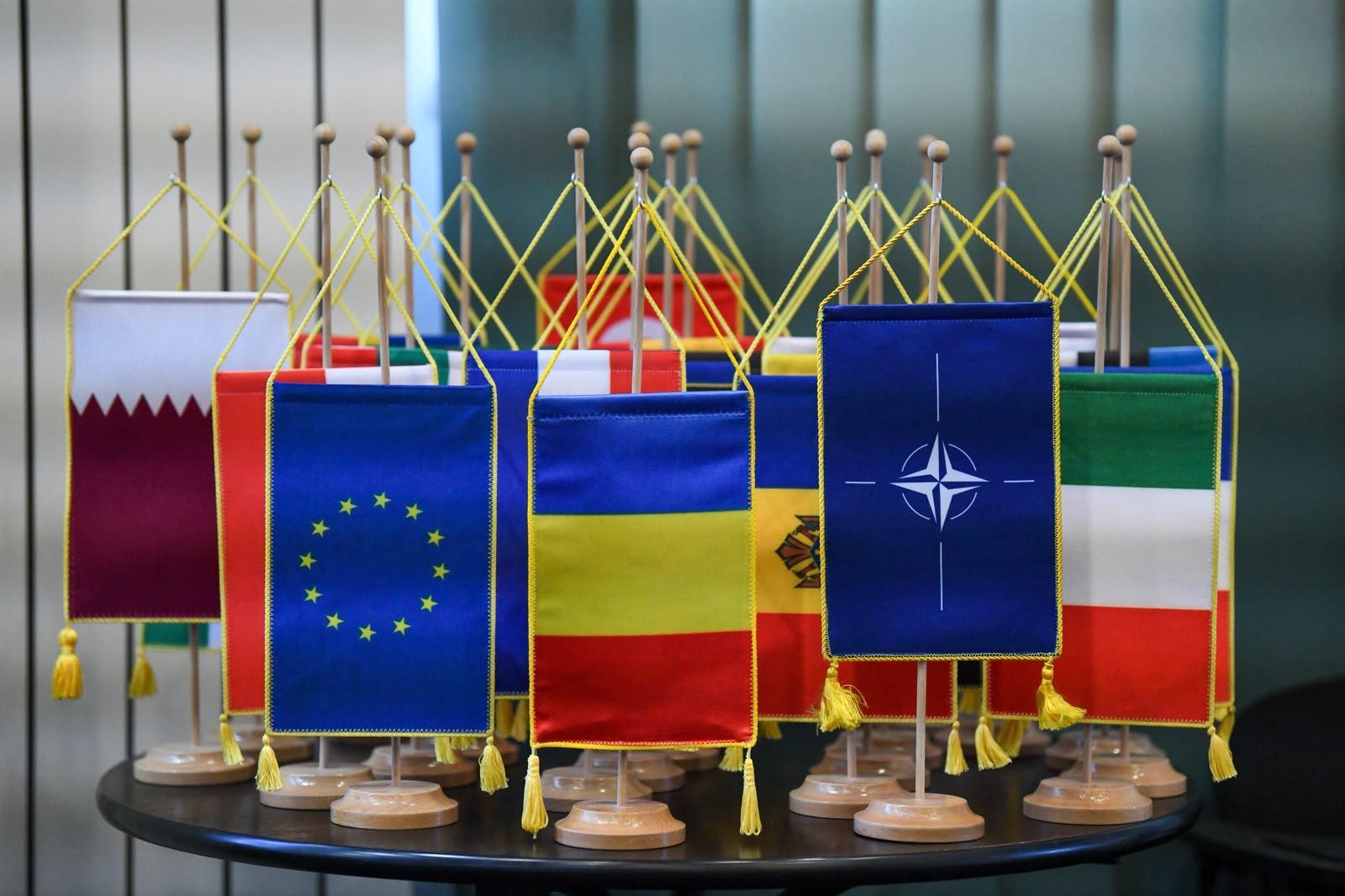
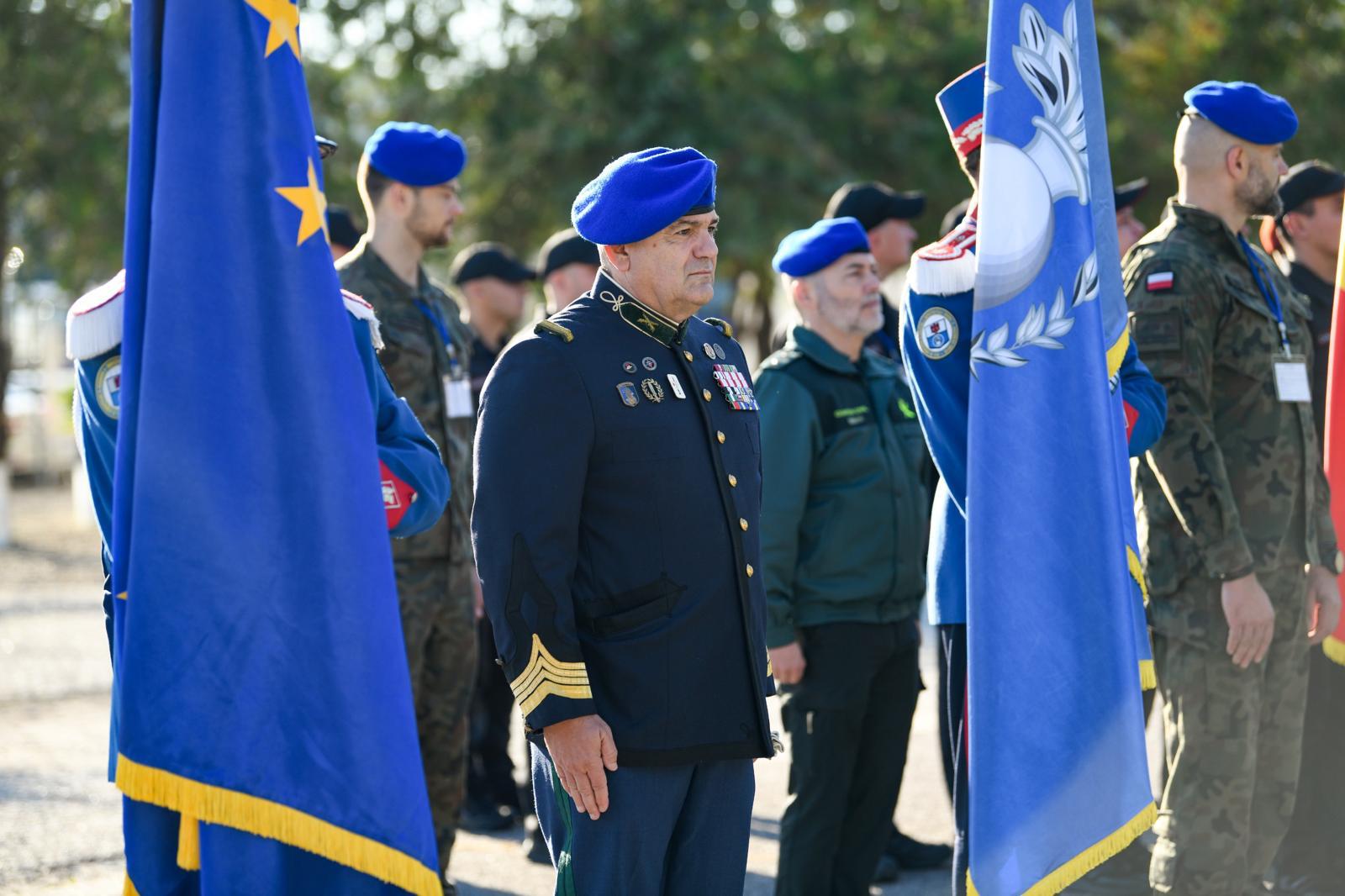
Bringing together gendarmerie, police, military and civilian personnel from 19 countries, Carpathians Blue Shield 2026 strengthened the cooperation, communication and interoperability needed for effective European Union Common Security and Defence Policy (CSDP) missions.

Effective international cooperation does not happen overnight. It requires clear communication, shared objectives, mutual trust and the ability to work seamlessly across national and organisational boundaries. These capabilities are particularly important in the context of European Union Common Security and Defence Policy (CSDP) missions, where personnel from different countries and services must work together to achieve common objectives in demanding operational environments.

Organised by the Romanian Gendarmerie, a member of the EUTI consortium, and cofinanced by EUTI, Carpathians Blue Shield 2026 brought together gendarmerie, police, military and civilian personnel from 19 countries for a live exercise (LIVEX) designed to simulate the challenges of a CSDP mission. The exercise provided participants with an opportunity to put their skills into practice, learn from one another and identify areas for improvement in a realistic and demanding environment.

Training together across borders and organisations

With participants representing different professional backgrounds, national practices and working methods, the Carpathians Blue Shield 2026 LIVEX placed cooperation at the heart of the training.

Through complex and challenging scenarios, participants were required to communicate clearly, coordinate their actions and work towards shared objectives. They also had the opportunity to better understand different operational approaches, identify potential gaps in tactics and procedures, and recognise the importance of interoperability in multinational environments.

Exercises of this kind provide valuable opportunities to prepare personnel for the realities of international missions. By working together before deployment, participants can become more familiar with one another’s procedures, strengthen professional relationships and develop the mutual trust needed to operate effectively under challenging conditions.

Turning challenges into practical improvements

Beyond testing operational capabilities, the LIVEX offered valuable opportunities for reflection and learning. Working through complex scenarios encouraged participants to challenge assumptions, identify weaknesses and explore how different approaches could contribute to achieving the same objective.

Carpathians Blue Shield 2026 reinforced several important lessons:

  • Clear communication is fundamental. Effective cooperation starts with a shared understanding of objectives, responsibilities and required actions.

  • Interoperability requires continuous practice. Personnel from different countries and organisations need opportunities to train together and become familiar with one another’s procedures and working methods.

  • Different perspectives can strengthen teams. Understanding different approaches helps participants find common ground and work more effectively towards shared goals.

  • Complex scenarios create opportunities to improve. Challenging situations can expose gaps in tactics and procedures that might otherwise remain unnoticed.

  • Evaluation and honest feedback drive progress. Reflecting on performance and identifying areas for improvement are essential to turning experience into practical learning.

These lessons highlight the importance of continuous training, joint exercising and evaluation in preparing personnel for the demands of multinational operations.

Strengthening readiness for future CSDP missions

Through the Carpathians Blue Shield 2026 LIVEX, participants strengthened their ability to communicate, coordinate actions and cooperate with colleagues from different countries and professional backgrounds. Working together in demanding scenarios also helped them better understand the challenges of multinational cooperation and the importance of shared objectives, mutual trust and interoperable procedures.

These strengthened capabilities can contribute to better teamwork, improved coordination and greater operational effectiveness in potential future CSDP missions.

Ultimately, preparing for multinational operations involves more than developing individual expertise. It means building the collective capacity to work together, adapt to different circumstances and respond to complex challenges as a team.

The key takeaway from Carpathians Blue Shield 2026 is clear: effective cooperation must be built before a mission begins. Clear communication, shared objectives, continuous joint training, mutual trust and honest evaluation are essential foundations for stronger interoperability and more effective international cooperation.

Through its co-financing contribution, EUTI supports initiatives that help personnel strengthen these capabilities and prepare to work together in complex multinational environments.

Building Mission-Ready Skills: Inside the First EUTI Project Management Training

Building Mission-Ready Skills: Inside the First EUTI Project Management Training

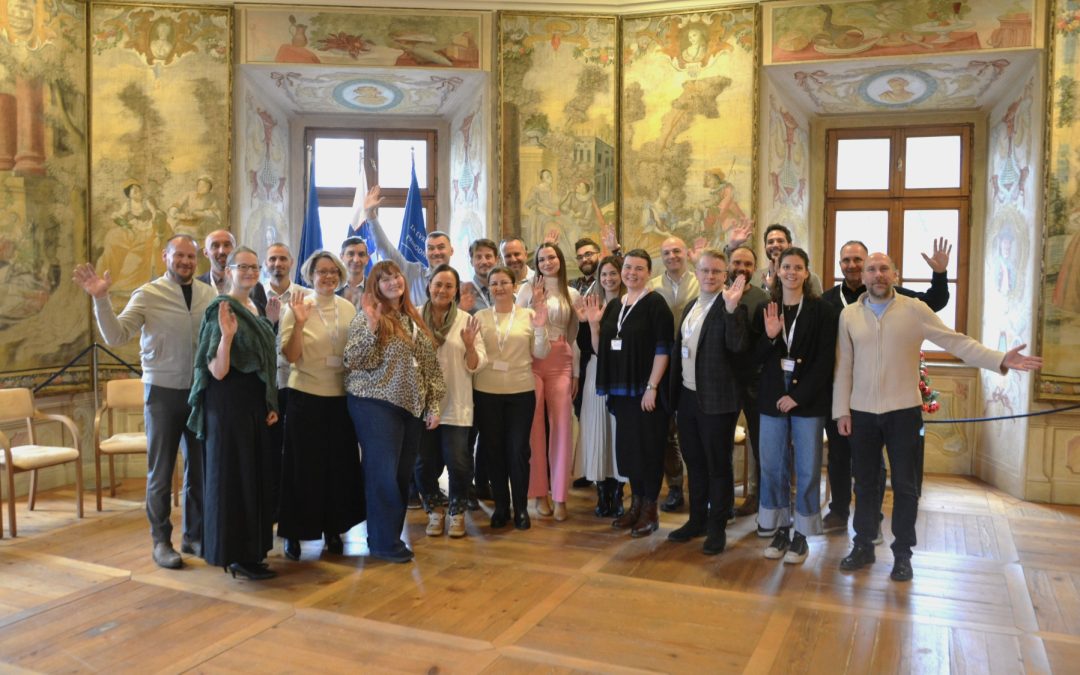
On 3 and 4 December 2025, Jable Castle hosted participants from across Europe for the first training delivered under the European Union Training Initiative. Organised by the Centre for European Perspective, the course focused on the Foundations of Project Management in Civilian Crisis Management and brought together both pre-mission personnel and experts already deployed in the field.

Over two intensive days, participants explored how project management directly contributes to mission success. The training opened with an introduction to the project mindset and the specific ecosystem of civilian missions, helping participants distinguish between projects and routine operations. They worked through the full project lifecycle, learned how to define project success using SMART objectives, and gained practical tools for setting clear goals and scope.

A strong focus was placed on planning and implementation. Sessions covered how to structure project tasks, allocate resources and budgets, manage timelines, identify and mitigate risks, and monitor progress through effective reporting. Horizontal principles, including human rights, gender equality and the Women, Peace and Security agenda, were also integrated into the project framework, alongside the use of the Logical Framework approach.

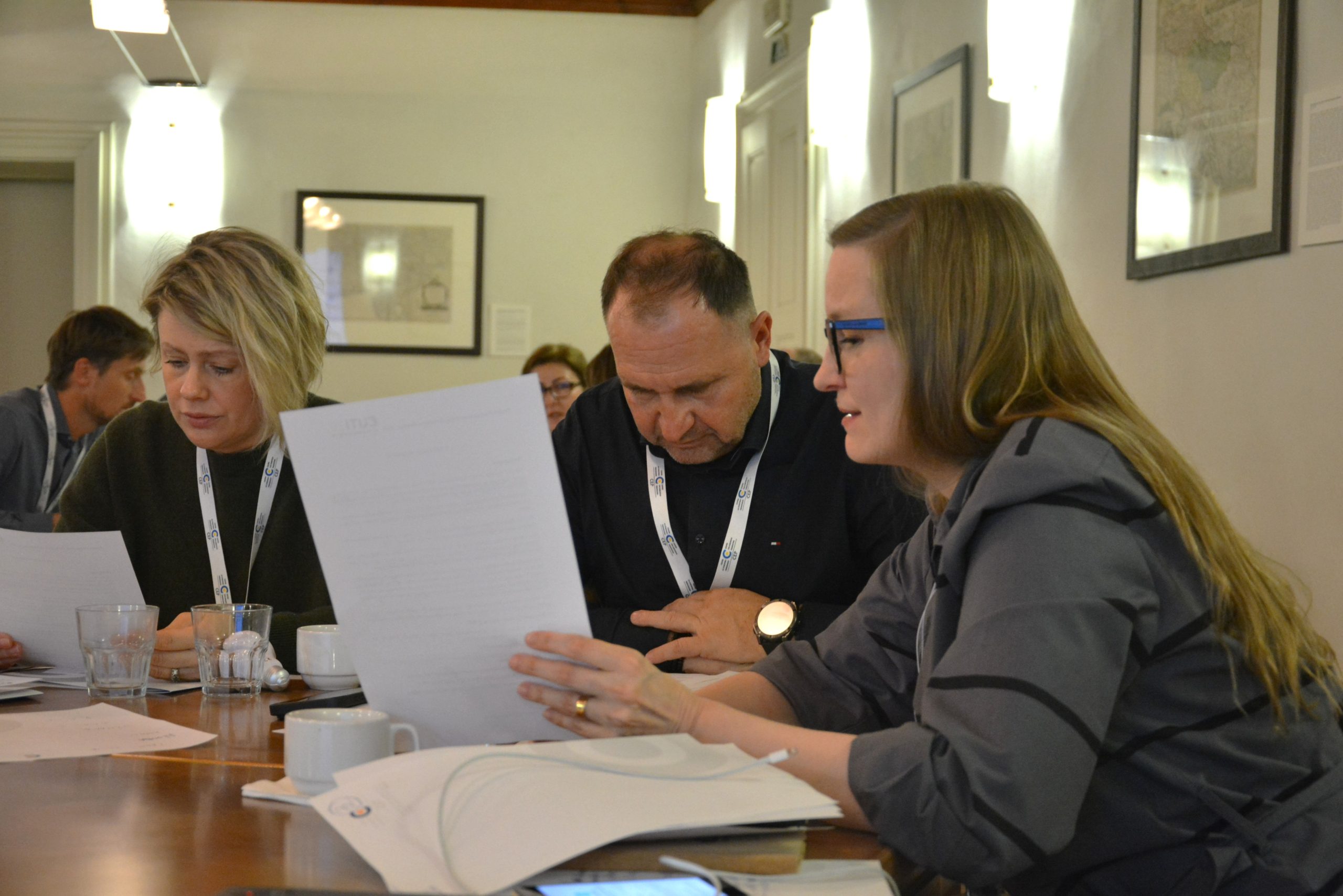
The heart of the training was the hands-on capstone exercise. Working in groups on a mission-based scenario, participants developed their own project charter, which they refined, presented and discussed together. Through this practical work, they strengthened key skills such as teamwork, leadership, problem-solving and decision-making under pressure.

The final sessions focused on best practices and real-life application in mission environments. Participants reflected on common challenges, learned how to motivate teams and stakeholders, and created individual plans for applying newly acquired project management skills in their next deployment.

With highly engaged and motivated participants, the training days passed quickly. Participants left Jable Castle equipped with a strong foundation in project management and a practical toolkit they can immediately use in civilian crisis management missions.

EUTI Participates in ESDC’s Annual Training and Education Conference

EUTI Participates in ESDC’s Annual Training and Education Conference

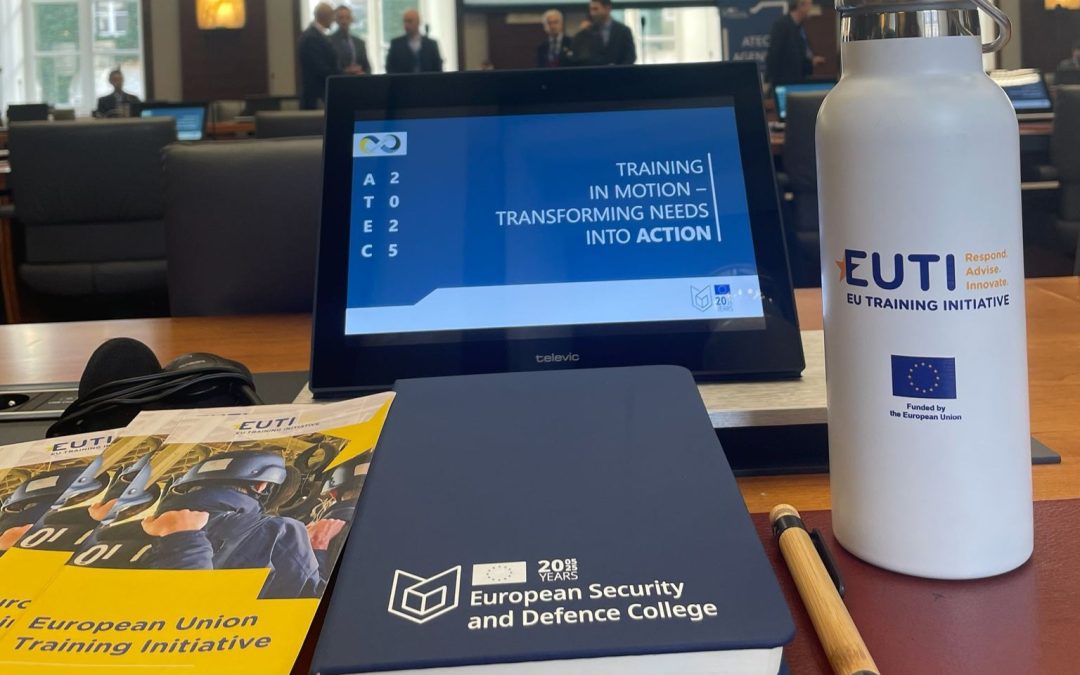
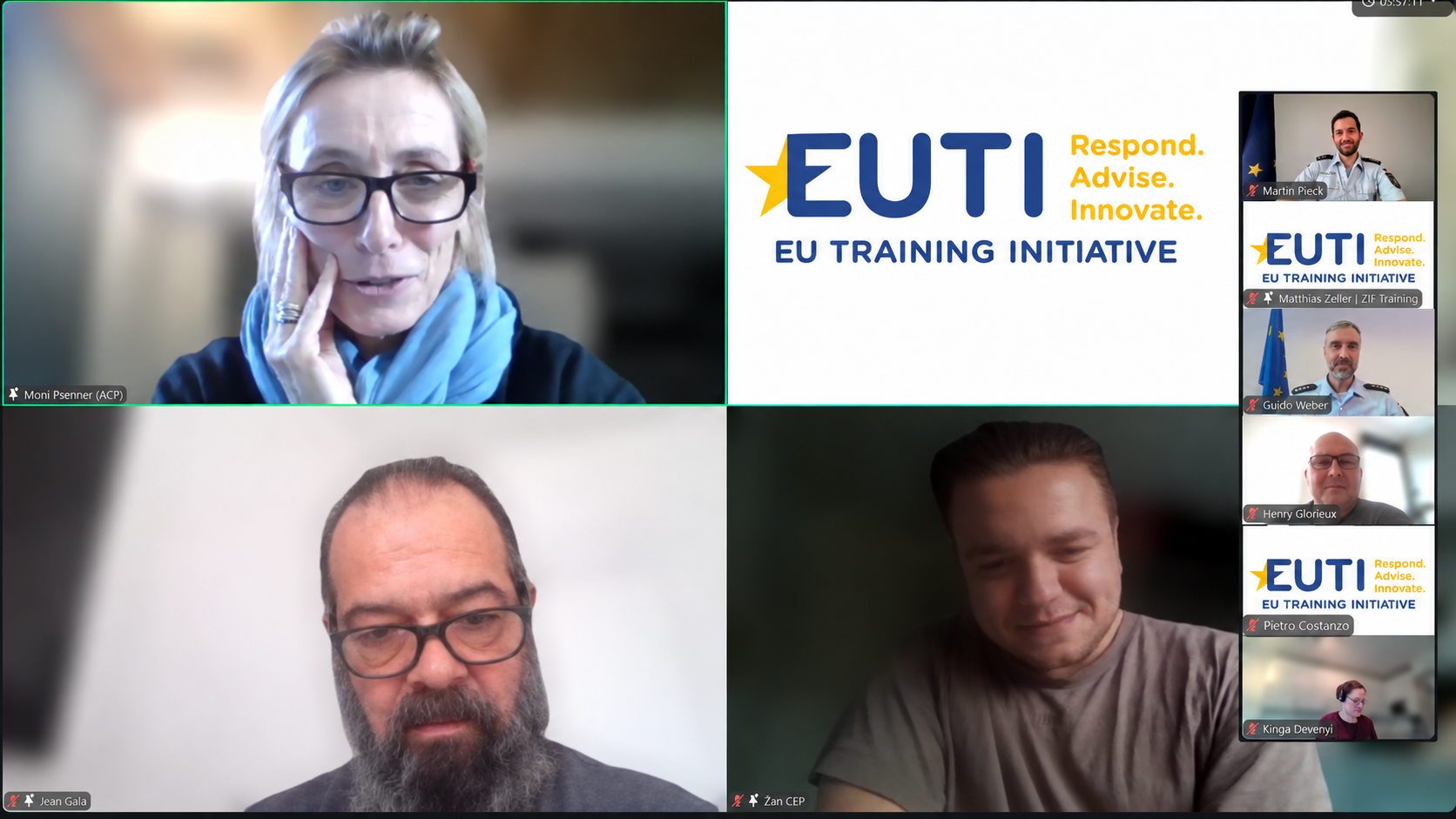
The Centre for European Perspective and the European Union Training Initiative took part in the European Security and Defence College’s Annual Training and Education Conference, held over two days at the historic Egmont Palace in Brussels.

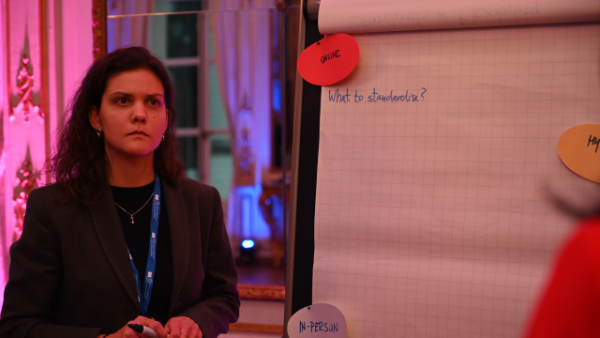
This year’s conference focused on practical and innovative ways to enhance the effectiveness of the training cycle within the EU’s Common Security and Defence Policy. Participants worked through each key stage of the EU training loop — Training Needs, Standardisation & Adaptation, Innovation & Methodology, and Evaluation & Uptake — through a series of appetiser discussions and targeted breakout groups.

Representatives of the Centre for European Perspective and the European Union Training Initiative contributed to the appetiser discussion on Standardisation & Adaptation and led one of the breakout groups within this segment. Their session explored the crucial balance between standardised curricula and the necessary flexibility or adjustability of training formats. The discussion highlighted the importance of aligning training with real operational contexts while maintaining coherence across the broader EU framework.

Beyond the working sessions, the conference served as an excellent platform to exchange best practices, discuss emerging needs, and strengthen cooperation with partners from across Europe. The atmosphere encouraged open dialogue and the sharing of forward-looking ideas that will contribute to further improving training standards at the EU level.

The Centre for European Perspective and the European Union Training Initiative extend their appreciation to the European Security and Defence College for organising a well-structured and engaging conference, and for fostering a community dedicated to enhancing the quality and impact of EU training.