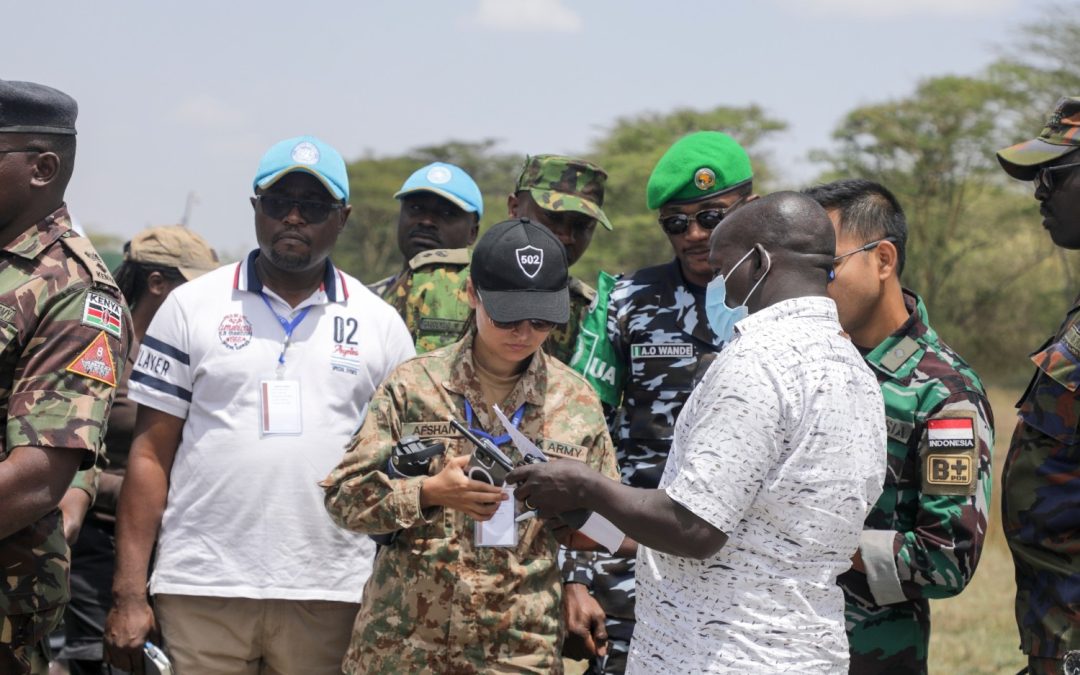
A Comprehensive Approach to Gender in Operations – 23-27 February 2026, Slovenia

A Comprehensive Approach to Gender in Operations – 23-27 February 2026, Slovenia

CALL FOR APPLICATIONS CLOSED

Kliknite tukaj za branje članka v slovenskem jeziku.

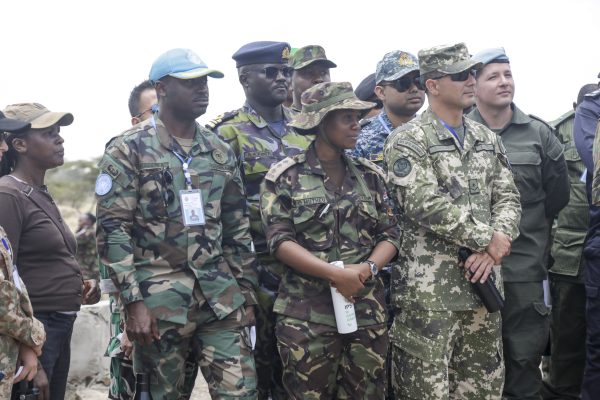
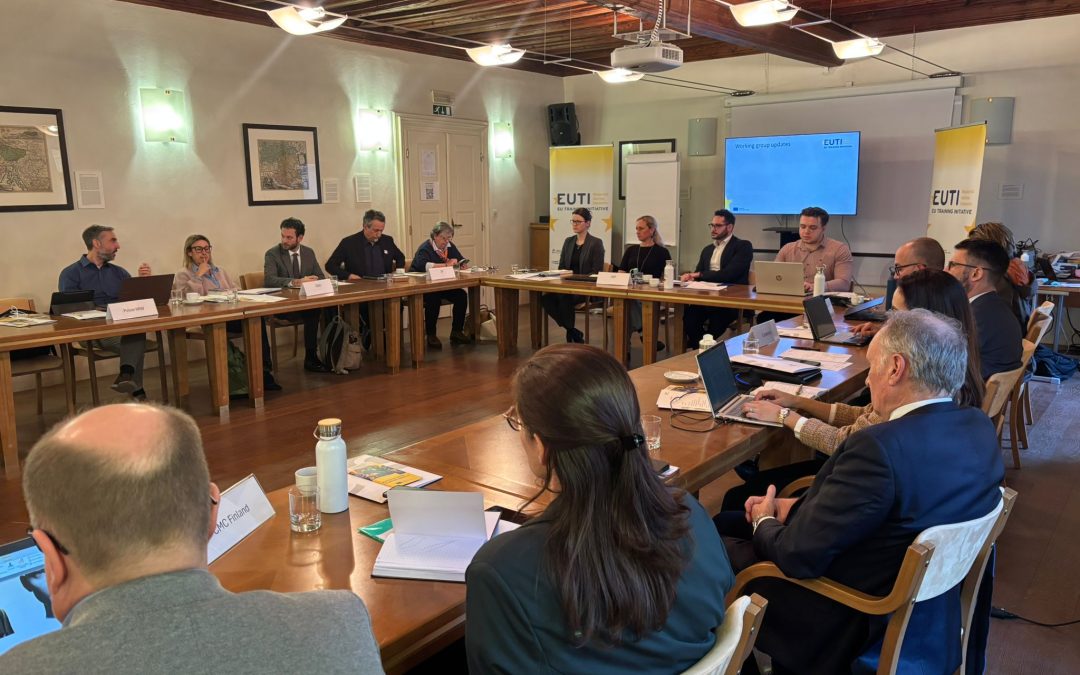
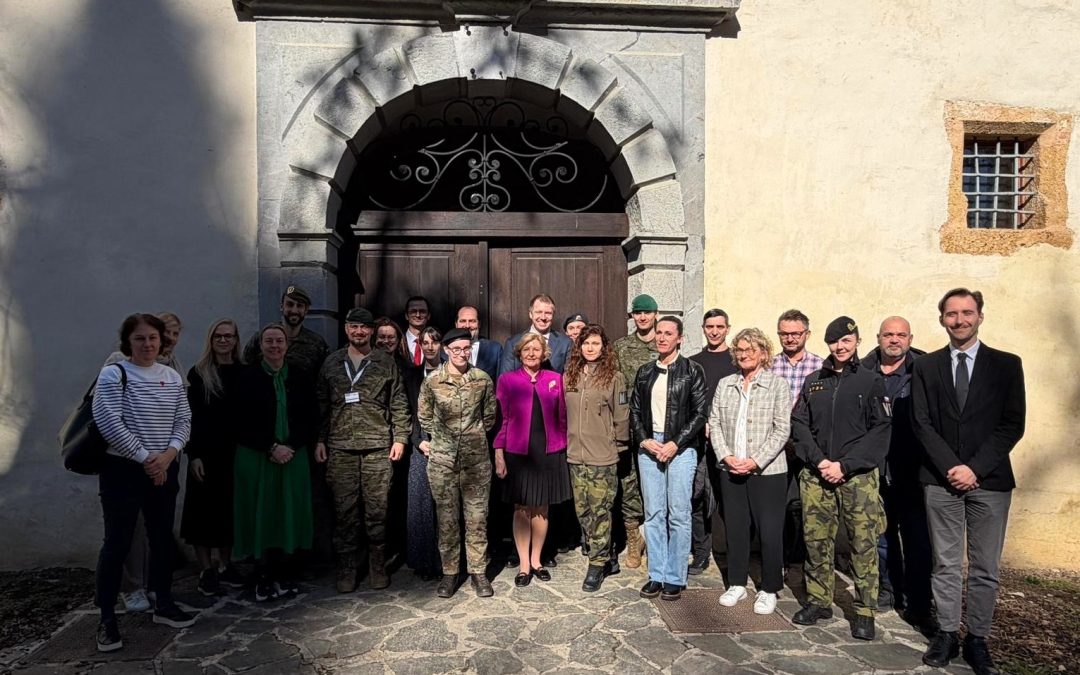
POTC’s Gender in Operations 5-day training programme will be delivered in cooperation between the Peace Operations Training Center and the European Security and Defence College (ESDC). The residential part of the training will take place at Jable Castle in Loka pri Mengšu, Slovenia, from 23 to 27 February 2026, with individual e-learning planned before arriving to the training.

Purpose of the Training: The training aims to boost operational effectiveness by equipping participants with the knowledge and skills needed to integrate a gender perspective into CSDP and international missions and operations.

Target Audience: This program is tailored for up to 20 civilian experts, police officers, and military personnel—either currently deployed or preparing for deployment in international missions. Ideal participants include mid-level military officials, civilians (including police), and diplomats from EU Member States, EU institutions, and relevant agencies. It is also open to individuals from third countries who are involved in, or plan to join, CSDP, NATO, OSCE, or UN missions, or who are assigned to roles in fragile states.

The working language of the training will be English, and no translation services will be provided.

Attendance is free of charge for all selected participants (no tuition fee).
Sending authorities need to cover all costs for their participants’ travel and accommodation (including breakfast) during the residential part of the course.
During the training, POTC will cover the costs for:
– daily local transport (bus) between the designated hotel and the course venue;
– all costs connected with attending any social/cultural event;
– lunch, beverages and other refreshments provided during the training course at Jable castle.

More information can be found here.

Participants can apply only via the ESDC secure internet system ENLIST, by designated nominators, under https://esdc.europa.eu/enlist/login no later than 9 January 2026 (EXTENDED TO JANUARY 16). A list with relevant ENLIST nominators can be retrieved from the ESDC website at https://esdc.europa.eu/nominators/. Registration will not be final until confirmed by the ESDC Secretariat and upon the confirmed participants’ completion of the requested personal data in ENLIST.

For any additional questions regarding the application procedure, please contact both Fernando Angelo at [email protected] or Dimitrij Pahor at [email protected].

Follow us on social media for more POTC news and content:

LinkedInXFacebookBluesky


esdc logo

Okrogla miza: o tem kako vojne, podnebne spremembe in odvisnost od uvoza vplivajo na našo prehransko varnost.

Okrogla miza: o tem kako vojne, podnebne spremembe in odvisnost od uvoza vplivajo na našo prehransko varnost.

Povzetek okrogle mize »Slovenija v svetu prelomnic: prehranska varnost in strateška odpornost«

Na razpravi v Mariboru smo govorili o tem, kako vojne, podnebne spremembe in odvisnost od uvoza vplivajo na našo prehransko varnost.

Slovenija je še vedno daleč od samooskrbe. Pri žitih in semenih imamo največje primanjkljaje, predelovalna industrija pa je pogosto v tuji lasti, kar zmanjšuje našo odpornost v krizah. Ob tem ostaja kar 200.000 hektarjev kmetijskih zemljišč neobdelanih, kmetijsko prebivalstvo pa se hitro stara – povprečen kmet ima 63 let.

Govorci so opozorili, da moramo bolj odločno zaščititi obstoječa kmetijska zemljišča, ponovno aktivirati zapuščene površine ter okrepiti predelovalno industrijo, ki mora ostati vsaj deloma v domači lasti, če želimo večjo strateško varnost. Javne institucije bi morale veliko več hrane kupovati neposredno od slovenskih kmetov, lokalne zadruge in povezovanje kmetij pa so ključni za stabilne dobavne verige. Posebno pozornost je treba nameniti tudi ohranjanju kmetijskega znanja in spodbujanju mladih prevzemnikov.

Govorce je povezoval isti zaključek: solidarnost – doma in med državami – bo ključna, če želimo ostati odporni v svetu, kjer cene hrane in energentov naraščajo hitreje kot kadar koli prej.

Na razpravi so sodelovali:

🔸 Tanja Fajon, podpredsednica vlade RS in ministrica za zunanje in evropske zadeve RS

🔸 Boštjan Pavlin, državni sekretar na Ministrstvu za obrambo RS

🔸 Saša Arsenovič, župan Maribora

🔸 Aleš Gregorc, dekan Fakultete za kmetijstvo in biosistemske vede UM

Moderiral je Slavko Bobovnik.


Posnetek razprave ⬇️

Glavna sporočila razprave

Slovenija je prehransko ranljiva in močno odvisna od globalnih dobavnih verig.

Čeprav je le redko katera država povsem samooskrbna, bi to moral biti strateški cilj države. Govorci so opozorili, da Slovenija dosega nizko samooskrbo pri ključnih kategorijah – zlasti pri žitih in semenih – kar ob geopolitičnih pretresih, vojnah in prekinitvah transportnih poti pomeni realno varnostno tveganje.

Odpornost je več kot samooskrba – vključuje energijo, vodo, predelavo in znanje

Prehranska varnost po besedah govorcev obsega dostop do energije, vode, namakalnih sistemov ter sposobnost doma pridelati in predelati ustrezno količino kakovostnih pridelkov, kar pa Slovenija zaradi razdrobljene predelovalne industrije in pomanjkanja mladih kmetov trenutno ne dosega.

Javni sektor mora postati motor podpore domači pridelavi in predelavi.

Javni razpisi bi morali vključiti merila, ki omogočajo, da šole, bolnišnice in druge institucije kupujejo hrano od slovenskih kmetov, saj se brez tega lokalne verige ne bodo okrepile, sektor pa ostaja ranljiv.

Kmetijska zemljišča, znanje in lokalna organizacija so strateški viri, ki jih izgubljamo.

Govorci so opozorili, da se pomembne kmetijske površine pozidavajo ali ostajajo neobdelane, hkrati pa upada kmečko prebivalstvo in se izgublja tradicionalno znanje, zato bo treba aktivirati zapuščene površine, krepiti zadružništvo in razvijati lokalne modele prodaje, da se ohrani dolgoročna prehranska stabilnost.

Solidarnost – doma in med državami – ostaja temelj stabilnosti v kriznih časih.

Vojne vedno povzročijo rast cen hrane in energentov, kar smo videli v Ukrajini in drugod, zato je po besedah govorcev nujno okrepiti solidarnostne mehanizme, saj se pomoč, ki jo dajemo drugim, dolgoročno vrača tudi nam.


Okroglo mizo sta organizirala Center za evropsko prihodnost in Zveza slovenskih častnikov 18. 11. novembra v Mariboru.


Povzetek okrogle mize »Slovenija v svetu prelomnic: varnost, odpornost in strateške izbire«

Povzetek okrogle mize »Slovenija v svetu prelomnic: varnost, odpornost in strateške izbire«

Kako naj se Slovenija znajde v novem varnostnem okolju, kjer mir ni več samoumeven, izzivi pa postajajo vse bolj kompleksni?

To vprašanje je bilo v središču razprave na okrogli mizi, ki je potekala v Parku vojaške zgodovine v Pivki  17. oktobra.

Govorci so poudarili, da se je evropsko varnostno okolje močno spremenilo – vojna v Ukrajini, naraščajoče geopolitične napetosti ter hibridne grožnje, kot so kibernetski napadi, dezinformacije in pritiski na kritično infrastrukturo, zahtevajo novo razumevanje varnosti. Slovenija se ne more izolirati od teh dogajanj; članstvo v EU in Natu ter sodelovanje z zavezniki zato predstavljajo ključni okvir za zagotavljanje stabilnosti in miru.

V razpravi je bilo večkrat poudarjeno, da varnost danes presega klasično razumevanje vojske in orožja. Pomeni tudi močne in zaupanja vredne institucije, energetsko in digitalno varnost, odpornost družbe ter zavedanje državljanov o skupni odgovornosti za obrambo. Slovenija ima na tem področju dobro izhodišče – od izkušenj s civilno zaščito do tradicije solidarnosti in organiziranosti – vendar bo za dolgoročno odpornost potrebno ohranjati enotnost, vlagati v lastne zmogljivosti ter graditi kulturo varnosti in zaupanja

Govorci

🔸 mag. Borut Sajovic, minister za obrambo Republike Slovenije
🔸 Vojko Volk, državni sekretar v Kabinetu predsednika Vlade Republike Slovenije
🔸 prof. dr. Iztok Prezelj, predstojnik Obramboslovnega raziskovalnega centra na FDV UL in predsednik Evro-atlantskega sveta Slovenije

Moderirala je Katja Geršak iz Centra za evropsko prihodnost.


Posnetek razprave ⬇️

    Glavna sporočila razprave

    Varnostno okolje se slabša in postaja vse bolj kompleksno.

    Vojna v Ukrajini, napetosti med velesilami in vse pogostejše hibridne grožnje kažejo, da se svetovni red, zgrajen po drugi svetovni vojni, maje. Slovenija mora delovati v tej realnosti, v kateri mir ni več samoumeven in kjer se stabilnost ohranja z aktivnim sodelovanjem.

    Majhne države morajo delovati strateško in proaktivno.

    Slovenija se ne more zanašati na svojo geografsko lego ali nevtralnost, temveč mora svoj vpliv graditi znotraj zavezništev EU in Nata. Članstvo v teh organizacijah zagotavlja varnost, a hkrati zahteva odgovornost in prispevek k skupnim ciljem.

    Odpornost pomeni več kot le vojaško moč.

    Sodobna varnost vključuje zanesljive institucije, energetsko neodvisnost, kibernetsko zaščito, boj proti dezinformacijam ter učinkovito civilno zaščito. Slovenija je po zaupanju v civilno zaščito med vodilnimi v EU, kar dokazuje, da ima močne temelje za gradnjo družbene odpornosti.

    Enotnost in zavedanje sta ključni orodji nacionalne varnosti.

    Razprava je opozorila na nevarnost populizma in notranjih delitev, ki lahko oslabijo pripravljenost države. Le s politično in družbeno enotnostjo lahko Slovenija ohranja stabilnost in verodostojnost znotraj zavezništev.

    Mir je vrednota, ki zahteva nenehno vlaganje.

    Mir ni samoumeven – tako kot zdravje ga začnemo ceniti šele, ko ga izgubimo. Ohraniti ga pomeni vlagati v obrambo, znanje, partnerstva in v zavedanje, da varnost ni odgovornost drugih, temveč vseh nas.


    Upcoming workshops in Montenegro: Strengthening capacities for financial investigations

    Upcoming workshops in Montenegro: Strengthening capacities for financial investigations

    Next week, the Centre for European Perspective (CEP) is launching the first set of workshops in Montenegro as part of the project “Strengthening the capacities for financial investigations in Montenegro.” The workshops will take place on 26 November in Bijelo Polje and on 27 November in Podgorica, bringing together police officers and prosecutors from regional centres across the country.

    Building on the findings of the needs analysis and the successful October study visit to Slovenia, the workshops will focus on strengthening the operational and institutional capacities of Montenegrin authorities involved in financial investigations. Participants and Slovenian experts will discuss:

    • good practices stemming from the Slovenian legislative framework (including ZOPNI),

    • the role of prosecutors in directing financial investigations,

    • practical case analysis based on real Slovenian investigations, with emphasis on overcoming bottlenecks,

      • early detection of financial elements in criminal cases and operational coordination between police and prosecution,

      • inter-institutional cooperation and shared challenges within the Montenegrin context.

      Each workshop includes a dedicated discussion session to identify current obstacles and training needs for 2026. A specialised working group will also convene in Podgorica to advance the preparation of Standard Operating Procedures (SOPs) for financial investigations, a key next step of the project.

      These activities mark another important milestone in strengthening professional expertise and cooperation between Montenegrin institutions in the fight against organised crime, corruption, and money laundering.

      The project is implemented by the Centre for European Perspective (CEP) with the support of the Ministry of European and Foreign Affairs of the Republic of Slovenia through Slovenian Aid & Partnerships, in cooperation with the Slovenian Police and the Ministry of the Interior of the Republic of Slovenia.

      Youth Shaping the Danube Region: Reflections from Our Interactive Workshop at the 14th EUSDR Annual Forum

      Youth Shaping the Danube Region: Reflections from Our Interactive Workshop at the 14th EUSDR Annual Forum

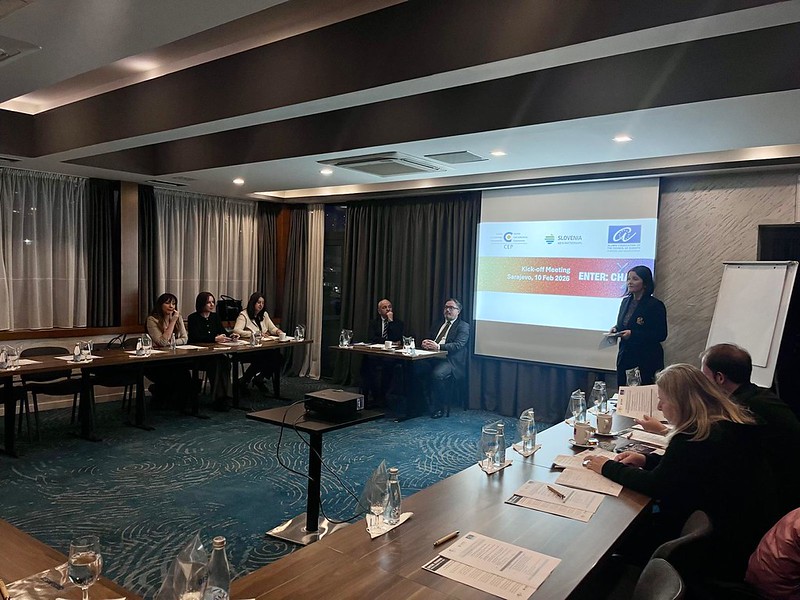
      Young people across the Danube Region are stepping forward with ideas, motivation, and a strong desire to shape the future. This spirit was at the heart of our interactive workshop Youth Engagement and Active Citizenship in the Danube Region, held on 6 November 2025 during the 14th EUSDR Annual Forum in Sarajevo. Bringing together representatives of the Danube Youth Council, the Danube Youth Organizations Network, and the Enter:Change initiative, the workshop created a vibrant space for honest dialogue, shared experiences, and forward-looking proposals. Designed as a World Café, the session encouraged participants to rotate among discussion tables, exchange perspectives, and collectively explore how youth can play a meaningful role in democratic governance and regional cooperation.  

      Youth as Contributors Today — Not Only Tomorrow

       
      A strong message echoed throughout the room: young people are not passive observers. They are already contributing to shaping the Danube Region, and they want to be recognised as equal partners in decision-making. Participants highlighted why their involvement matters: they bring creativity, technological confidence, a long-term outlook, and the courage to challenge old patterns. They are open-minded, results-oriented, and motivated by a genuine sense of responsibility for the world around them. For many, meaningful participation is closely tied to trust in institutions and a belief that their voices can lead to real impact.  

      Building Stronger Youth Networks Across the Region

       
      Representatives from the Danube Youth Organizations Network reflected on the growth of youth-led initiatives and the importance of building stronger, more sustainable networks. They emphasised the value of improved visibility, alumni engagement, and new links between young people, local authorities, NGOs, and communities along the Danube. Better fundraising opportunities and shared purpose were also identified as essential elements for the network’s future development. The discussion reaffirmed the need for transnational cooperation — not only to connect young people, but also to create lasting partnerships and shared solutions to common challenges.  

      A New Generation of Leaders in Bosnia and Herzegovina

      The Enter:Change initiative shared insights from its work with young leaders in Bosnia and Herzegovina, focusing on leadership skills, democratic participation, anti-corruption, interethnic dialogue, and resilience to disinformation. Their central question — whether young leaders can pave a more cooperative political path — sparked reflections on the need for cultural change, institutional openness, and long-term support. Participants stressed that progress requires more accessible EU funding for emerging youth initiatives, stronger support for civil society, and wider opportunities that convince talented young people to remain engaged in their home communities rather than seeking prospects elsewhere.  

      Key Takeaways: What Young People Need to Thrive

      Across all discussions, several common themes emerged:
      • Meaningful involvement: Youth want more than symbolic participation; they want structured, long-term channels to influence decision-making.
      • Capacity-building: Leadership training, critical thinking, communication skills, and digital literacy are essential tools for empowered citizenship.
      • Cross-border cooperation: Mobility, exchange, and shared learning strengthen connections and help address regional challenges together.
      • Supportive ecosystems: Youth-led initiatives need sustained funding, mentorship, and visibility — not isolated, short-term projects.
      The workshop’s outcomes reflect the priorities and aspirations of young people across the Danube Region  

      Looking Ahead

      The enthusiasm and maturity demonstrated by the workshop participants confirmed once again that youth are ready to contribute — not only to the future, but to the present of the Danube Region. Their perspectives are essential for building trust, strengthening governance, and enhancing cooperation across borders. As Priority Area 10, we remain committed to supporting youth engagement, creating opportunities for dialogue, and working together with our partners to ensure that young people continue to shape the direction of the Danube Region. More about Priority Area 10
      Webinar on EU Funding Opportunities for Ukraininan Disaster Risk Managament and Planning Personnel

      Webinar on EU Funding Opportunities for Ukraininan Disaster Risk Managament and Planning Personnel

      Peace Operations Training Centre (POTC) is organising a Webinar on EU Funding Opportunities for Ukraine – Focus on »Horizon Europe« for experts in disaster management, and prevention and preparedness planning who could potentially manage EU-funded projects and/or be involved in project activities.

      Kliknite tukaj za branje članka v slovenskem jeziku.

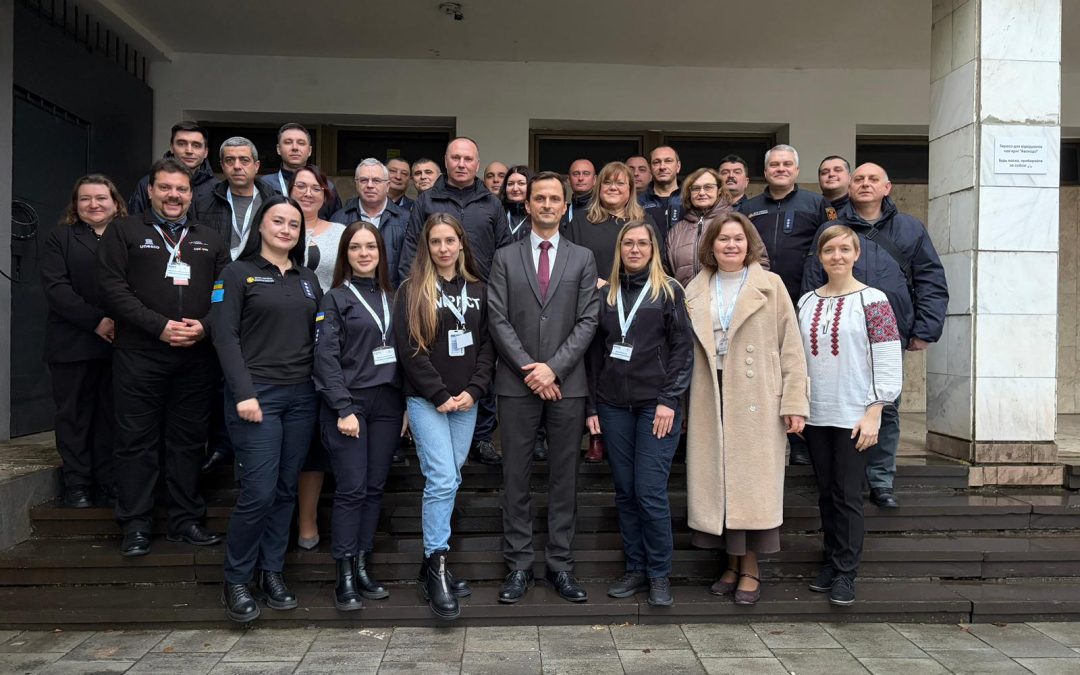
      A tailor-made webinar was designed based on high level of interest expressed by State Emergency Service of Ukraine participants of the Climate Change and Disaster Risk Management Training, which was held in May this year in Rzeszow, Poland.

      The EU-Funding Opportunities for Ukraine webinar will offer a focused overview of key EU funding mechanisms, with particular emphasis on the Horizon Europe programme. The session will begin with a brief overview of selected EU funding opportunities. It will then provide a detailed look at Horizon Europe, including its overall structure, eligibility criteria, and main types of actions. Participants will also receive a snapshot introduction to the Funding & Tenders (F&T) Portal and learn about effective “consortium mechanics,” such as where and how to find suitable partners. The webinar will conclude with practical hints and tips for writing competitive project proposals.

      🗓 Date: 2 December 2025

      🌐 Format: Online

      🗣 Language: English

      Guest-Trainer: Mr. Pierantonios Papazoglou, Research & Strategy Manager at the CERIDES Centre of Excellence in Risk and Decision Sciences of the European University Cyprus

      The webinar is intended for a selected audience, and participation is limited to registered attendees.

      Follow us on social media for more POTC news and content:

      LinkedInXFacebookBluesky