13. 2. 2026 | EUTI, PR
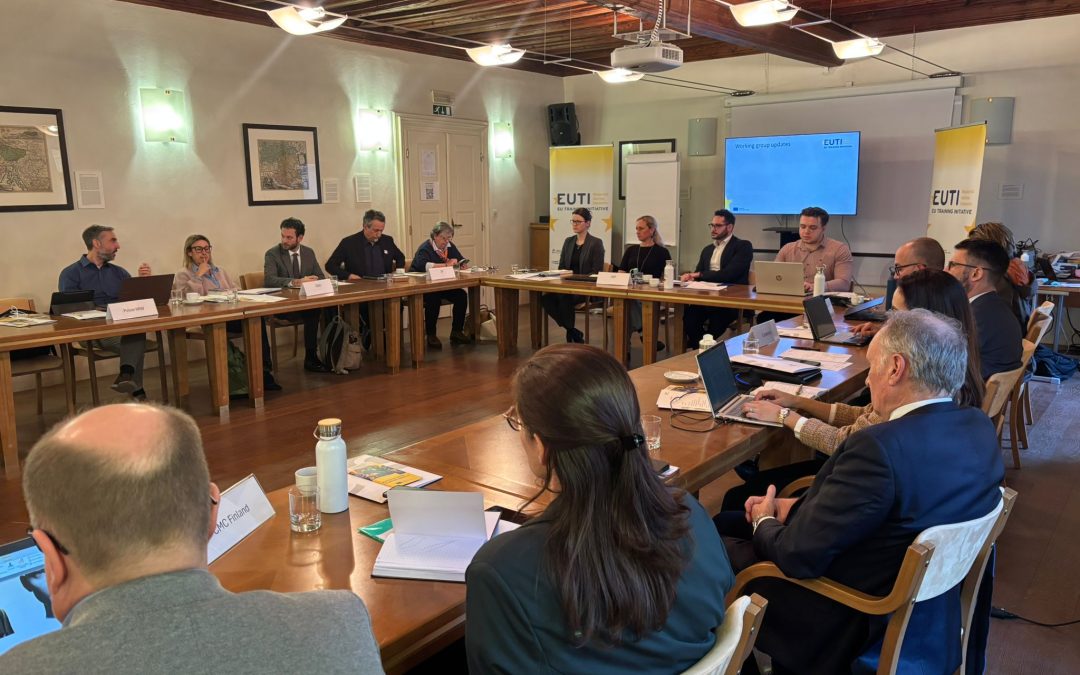
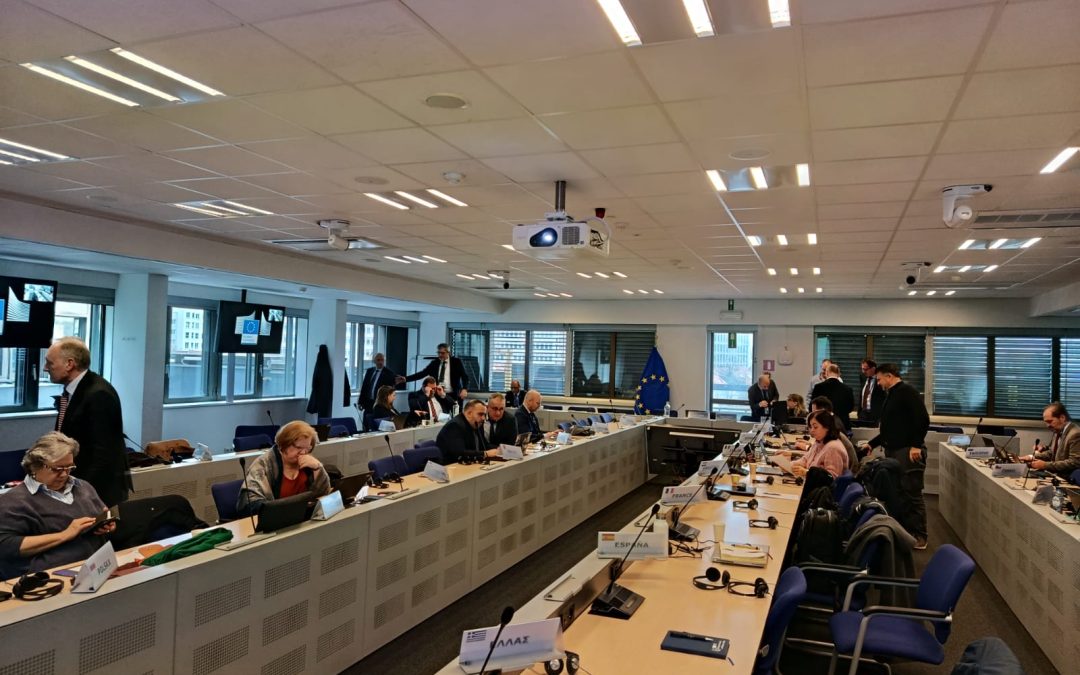
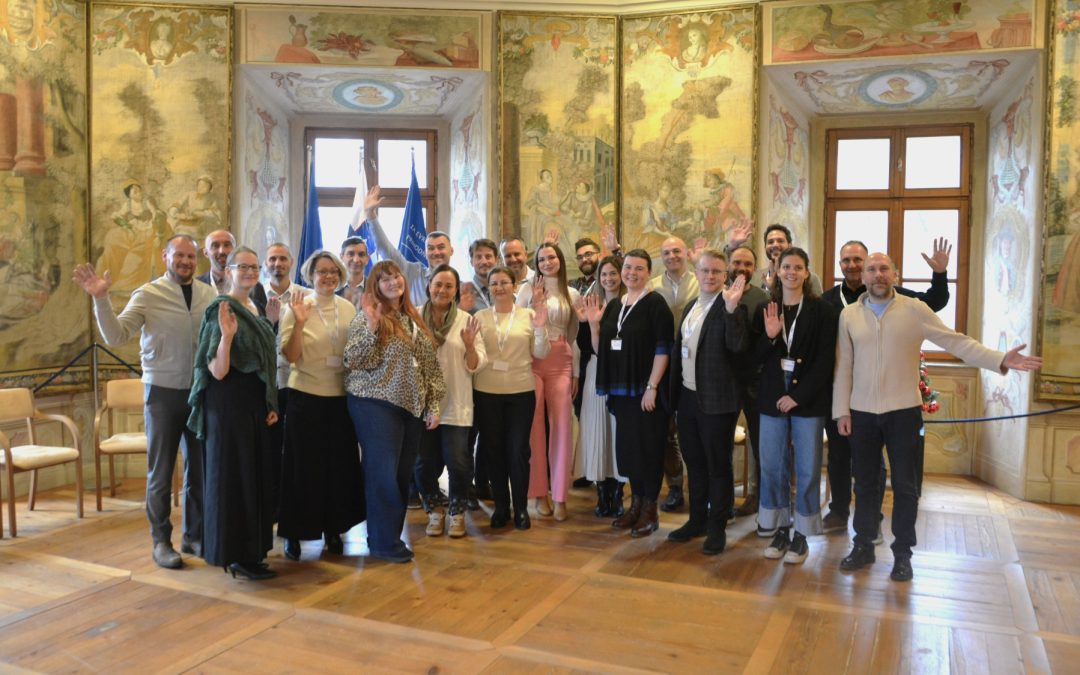
BRUSSELS – Nina Čepon and Urban Jakša are wrapping up their work visit to Brussels, where they represented the EUTI consortium at the Executive Academic Board (EAB) meeting that took place on 11 and 12 January 2026.
During the sessions, Nina and Urban collaborated with partners to update the HEAT (Hostile Environment Awareness Training) curriculum to include new modules that reflect the evolving realities of CSDP missions, such as threats from drones and doxing. They also gave an overview of the past and future EUTI plans to the participants of the meeting, ensuring continued alignment with European training standards.
One of the outcomes of EAB was the confirmation of several pilot trainings, including Environmental Management and AI Leadership. The ESDC network also expanded during this session with the inclusion of three new members, such as Democritus University.
In Working Groups 1 and 2, the focus remained on refining training for Project Management and mission orientation. Furthermore, new trainings to be carried out under the auspices of the ESDC were introduced, focusing heavily on psychological support and medical care in the field.
One of the highlights of the visit was a meeting at DG DEFIS (Directorate-General for Defence Industry and Space). This session highlighted the growing intersection of space, the defense industry, and evolving training needs—ranging from specialized space programs like Copernicus and Galileo to vital administrative, HR, and procurement skills.
Furthermore, while in Brussels, the Urban held a meeting with representatives of the European Commission responsible for monitoring the EUTI project. He presented key milestones and innovations, highlighting how EUTI’s nature as a smaller consortium allows for agile testing of new tools and approaches. The goal remains ensuring the sustainability of these practices by successfully transferring knowledge and expertise to the ESDC.
A bit more on EAB: The Executive Academic Board (EAB) is a central body of the European Security and Defence College (ESDC). Its role is to ensure the quality and consistency of training activities provided under the EU’s Common Security and Defence Policy. More information on their work is available here.
30. 1. 2026 | EUTI, PR
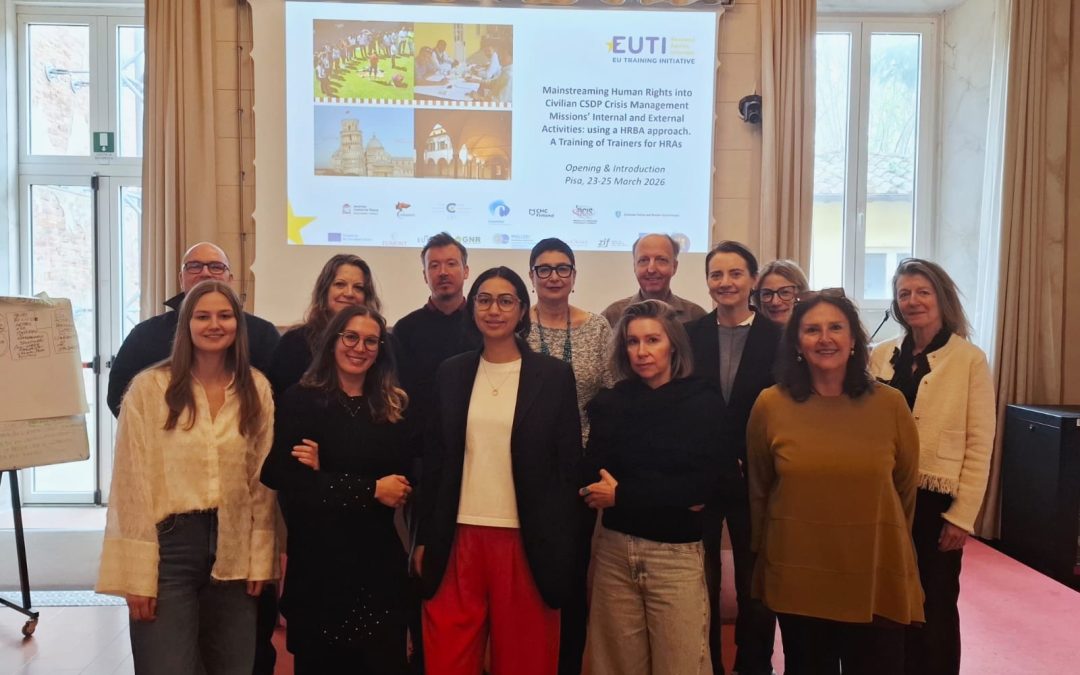
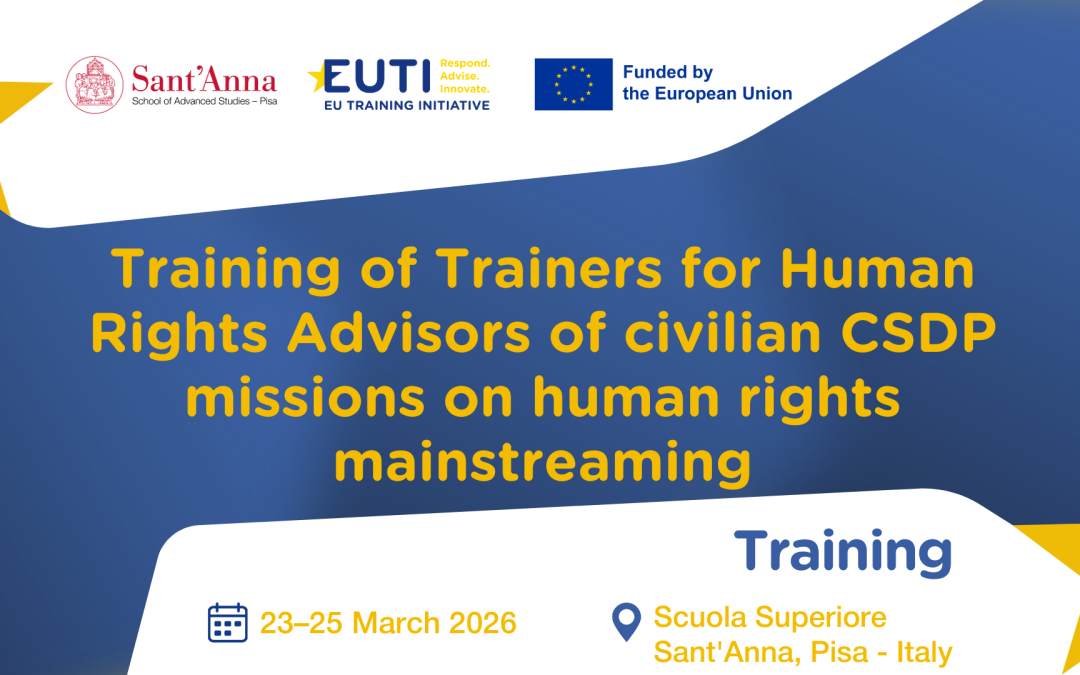
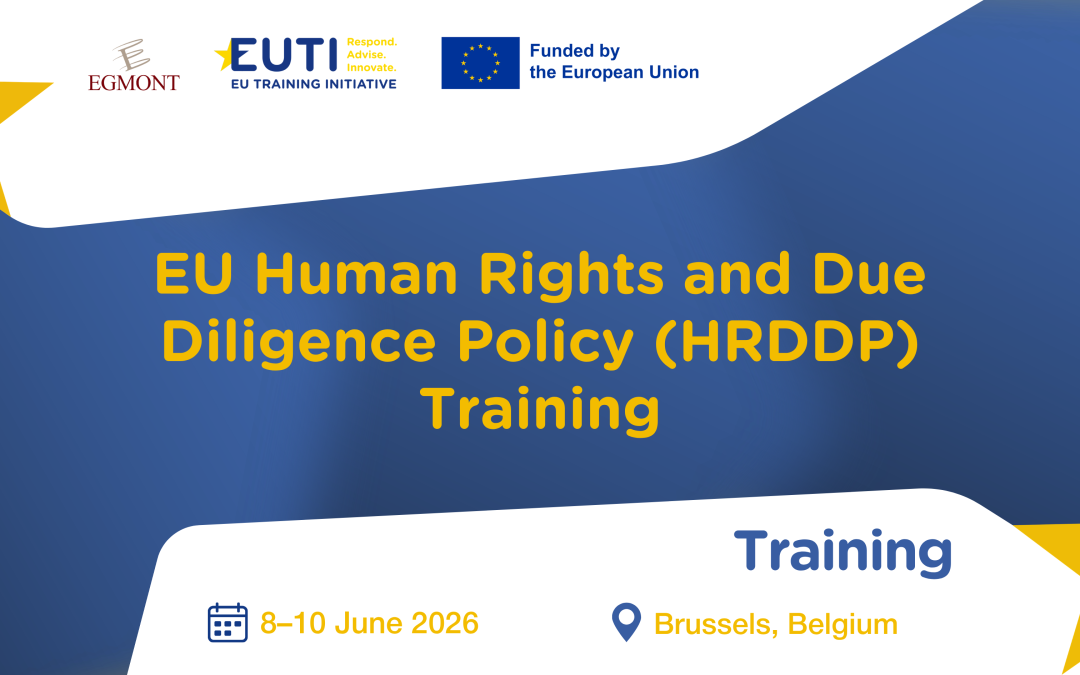
The Scuola Superiore Sant’Anna, under the auspices of EUTI – European Union Training Initiative, will hold Training of Trainers for Human Right Advisors (HRA): Mainstreaming Human Rights into Civilian Crisis Management Missions’ Internal and External Activities: using a HRBA approach.
The call for applications is now open.
Training dates: 23–25 March 2026
Training location: Scuola Superiore Sant’Anna, Pisa, Italy
Target Group: Human Rights Advisors of civilian CSDP crisis missions and human rights support elements at HQs
This training initiative directly supports the implementation of the 2021 Civilian Operations Commander Operational Guidelines on Human Rights Mainstreaming and Human Rights Due Diligence. While substantial progress has been made in policy development, a significant gap remains in the practical application of these standards within Common Security and Defence Policy (CSDP) civilian missions. To bridge this gap, this course equips Human Rights Advisors (HRAs) with the didactical and methodological skills necessary to train their colleagues and foster a Human Rights-Based Approach (HRBA) across all mission mandates.
The key objective of this course is thus to contribute to building in-mission capacities for training purposes in the field of human rights mainstreaming. It will also enhance the ability of missions to adapt to the steadily changing capacity-building requirements and strengthen in-mission capability to deliver high quality trainings in the area of HRBA and human rights mainstreaming.
The curriculum of the training will move beyond theoretical definitions, focusing on the HOW of human rights mainstreaming. Participants will engage in practical exercises—including situational analysis, elaborating Theories of Change, and designing monitoring frameworks—all viewed through a human rights lens.
The training of trainers course will be targeted at human rights Advisors working in civilian CSDP missions – who, inter alia, conduct trainings and coaching sessions on issues related to human rights as subject matter experts or trainers and are called upon, in the Operational Guidelines on Human Rights Mainstreaming and Human Rights Due Diligence, to play a catalyst role to ensure internal and external human rights mainstreaming within the mission of assignment.
Applications for the Training of Trainers for Human Rights Advisors are now open. Deadline is 22 February 2026.
4. 12. 2025 | EUTI, Peace and security, PR
On 3 and 4 December 2025, Jable Castle hosted participants from across Europe for the first training delivered under the European Union Training Initiative. Organised by the Centre for European Perspective, the course focused on the Foundations of Project Management in Civilian Crisis Management and brought together both pre-mission personnel and experts already deployed in the field.
Over two intensive days, participants explored how project management directly contributes to mission success. The training opened with an introduction to the project mindset and the specific ecosystem of civilian missions, helping participants distinguish between projects and routine operations. They worked through the full project lifecycle, learned how to define project success using SMART objectives, and gained practical tools for setting clear goals and scope.

A strong focus was placed on planning and implementation. Sessions covered how to structure project tasks, allocate resources and budgets, manage timelines, identify and mitigate risks, and monitor progress through effective reporting. Horizontal principles, including human rights, gender equality and the Women, Peace and Security agenda, were also integrated into the project framework, alongside the use of the Logical Framework approach.
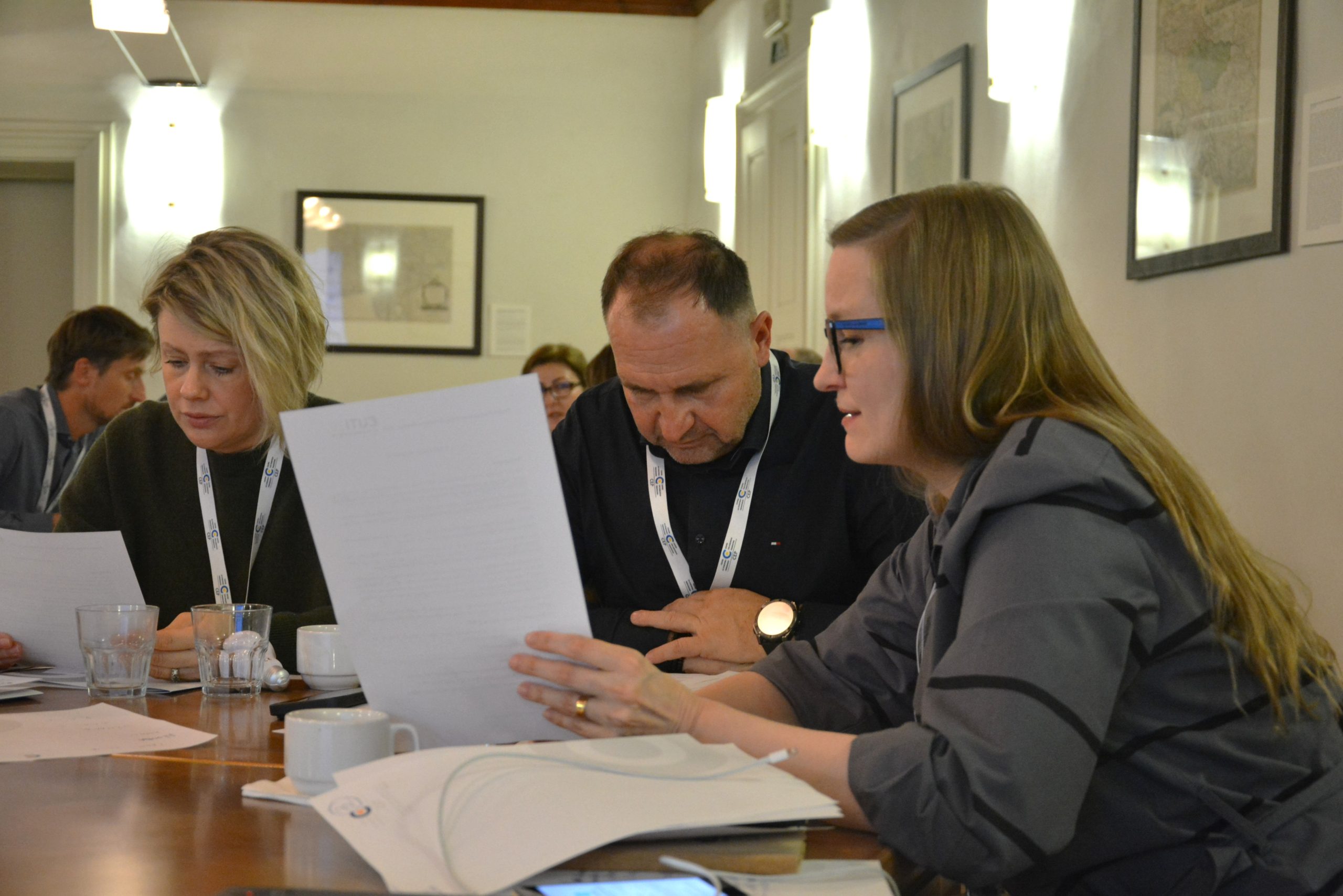
The heart of the training was the hands-on capstone exercise. Working in groups on a mission-based scenario, participants developed their own project charter, which they refined, presented and discussed together. Through this practical work, they strengthened key skills such as teamwork, leadership, problem-solving and decision-making under pressure.

The final sessions focused on best practices and real-life application in mission environments. Participants reflected on common challenges, learned how to motivate teams and stakeholders, and created individual plans for applying newly acquired project management skills in their next deployment.
With highly engaged and motivated participants, the training days passed quickly. Participants left Jable Castle equipped with a strong foundation in project management and a practical toolkit they can immediately use in civilian crisis management missions.

25. 11. 2025 | EUTI, Peace and security, PR
The Centre for European Perspective and the European Union Training Initiative took part in the European Security and Defence College’s Annual Training and Education Conference, held over two days at the historic Egmont Palace in Brussels.
This year’s conference focused on practical and innovative ways to enhance the effectiveness of the training cycle within the EU’s Common Security and Defence Policy. Participants worked through each key stage of the EU training loop — Training Needs, Standardisation & Adaptation, Innovation & Methodology, and Evaluation & Uptake — through a series of appetiser discussions and targeted breakout groups.

Representatives of the Centre for European Perspective and the European Union Training Initiative contributed to the appetiser discussion on Standardisation & Adaptation and led one of the breakout groups within this segment. Their session explored the crucial balance between standardised curricula and the necessary flexibility or adjustability of training formats. The discussion highlighted the importance of aligning training with real operational contexts while maintaining coherence across the broader EU framework.
Beyond the working sessions, the conference served as an excellent platform to exchange best practices, discuss emerging needs, and strengthen cooperation with partners from across Europe. The atmosphere encouraged open dialogue and the sharing of forward-looking ideas that will contribute to further improving training standards at the EU level.

The Centre for European Perspective and the European Union Training Initiative extend their appreciation to the European Security and Defence College for organising a well-structured and engaging conference, and for fostering a community dedicated to enhancing the quality and impact of EU training.
22. 10. 2025 | EUTI, PR
The Centre for European Perspective (CEP), under the auspices of EUTI – European Union Training Initiative, is proud to announce the first EUTI training and the start of the project’s main activities!
This pre-mission specialised training on the Foundations of Project Management in Civilian Crisis Management Missions addresses a key challenge faced by experts deployed in EU Common Security and Defence Policy (CSDP) missions: turning strategic objectives into concrete, measurable results in complex, multicultural environments.
Projects in CSDP missions often take the form of capacity-building programmes, local partnership initiatives, training schemes, or community security projects. Yet, many deployed experts are not professional project managers. They must learn to define clear objectives, navigate diverse institutional frameworks, coordinate with multiple stakeholders, and adapt to rapidly changing conditions on the ground.
This course on the foundations of project management in civilian crisis management addresses the need by equipping soon-to-be-deployed professionals with a practical project management mindset, rather than a rigid theoretical and methodological approach. It introduces participants to the core principles, tools, and habits that enable successful project initiation, planning, and delivery in dynamic operational settings. By grounding learning in realistic mission scenarios and emphasising collaboration across functional silos, the training enhances participants’ ability to manage limited resources, anticipate risks, and communicate effectively within mission structures and the broader multicultural environment to which they professionally belong.
Ultimately, the course contributes to strengthening the effectiveness, accountability, and sustainability of EU civilian crisis management operations—key priorities under the EU Civilian CSDP Compact and the Strategic Compass.
Training date: 3 & 4 December 2025
Training location: Jable Castle, Mengeš, Slovenia
Find the full call for applications here: EUTI Call for Applications – Foundations of Project Management_December 2025
Applications for the Foundations of Project Management in Civilian Crisis Management Missions are open until 9 November 2025.
Interested applicants can register through an online application form, accessible here.
11. 9. 2025 | EUTI, PR
On 8–9 September 2025, the EU Training Initiative (EUTI) was officially launched at the Permanent Representation of Slovenia to the EU in Brussels. The two-day kick-off and partner meeting was led by the EUTI Secretariat, together with the EUTI Consortium, comprising 15 civilian, police, and gendarmerie organisations throughout the EU. The event brought together representatives from the European Commission, the European External Action Service (EEAS), the European Security and Defence College (ESDC), and Civilian Operations HQ (CivOpsHQ) to discuss the initiative’s objectives, main activities, and next steps.
The EUTI initiative aims to strengthen the European Union’s capacity to respond to global challenges by providing specialised, demand-driven, and tailor-made training to civilian, police, and gendarmerie experts already deployed or soon to be deployed to international crisis management and peace support missions. It focuses on three main pillars: addressing training needs, advising on training harmonisation, standardisation and certification, and introducing innovative training methodologies and strategies to meet emerging challenges.

During the partner meeting, participants reviewed the EUTI Manual and Standard Operating Procedures (SOPs), ensuring alignment with EU priorities, Common Security and Defence Policy (CSDP) training policies and operational requirements. Working groups explored strategies for implementing training modules, fostering cooperation among EU institutions, and enhancing knowledge exchange across member states, their training and academic institutions, and seconding agencies. The Consortium partners charted the EUTI Training Catalogue, a living and non-exhaustive document listing all the training capacities and capabilities of project partners, building on their more than a decade-long experience in providing training in the civilian crisis management context.

EUTI Kickoff and high-level panel discussion
A highlight of the event was a high-level panel discussion featuring representatives from the European Commission, EEAS, ESDC, and the CivOpsHQ. Panellists emphasised the value of coordinated training efforts and innovative approaches to civilian crisis management training.
“Training must be innovative, collaborative and adaptable — because the needs of missions are changing faster than ever.”
The event also featured informal networking sessions, allowing participants to strengthen partnerships and exchange experiences, laying the groundwork for the next steps of EUTI’s implementation.
Through EUTI, the EU is enhancing professional development, promoting best practices, and building sustainable capacities for its crisis management and peace support missions.